Last updated: July 29, 2026, 2:20 p.m. EDT
The Federal Reserve kept its benchmark interest-rate target unchanged at 3.50% to 3.75% on July 29, choosing patience over a surprise increase that financial markets had treated as a serious, though still minority, possibility. The decision answered the immediate question facing investors, borrowers and businesses: the Fed did not raise rates in July. It did not, however, resolve the larger debate over whether the next move will be a hike.
The vote was 9–3. Beth M. Hammack of the Cleveland Fed, Neel Kashkari of the Minneapolis Fed and Lorie K. Logan of the Dallas Fed preferred a quarter-percentage-point increase. Three dissents in the same hawkish direction transformed what might otherwise have looked like an uneventful hold into a warning that the center of gravity inside the Federal Open Market Committee is moving toward tighter policy. The official statement continued to describe economic activity as expanding at a solid pace, job gains as keeping up with the workforce and inflation as elevated relative to the Committee’s 2% objective.
That combination matters. A central bank normally raises rates when demand is too strong, inflation is too persistent, or both. It normally waits when recent data are improving, the source of inflation may be temporary, or the cost of acting prematurely could be substantial. In July, the Fed faced evidence for both approaches. June consumer-price data were much softer than expected. Payroll growth slowed. Yet the Fed’s preferred inflation measure had accelerated through May, oil prices were volatile, longer-term borrowing costs were already high, and several policymakers had become openly impatient with inflation that had exceeded the target for more than five years.
The result was a hawkish hold: no immediate increase in the federal funds rate, but a vote and policy backdrop that leave a September hike firmly plausible. The next meeting, scheduled for September 15–16, will include a new Summary of Economic Projections. Before then, policymakers will see additional inflation, employment, spending and growth data. Those releases will determine whether July’s hold becomes the final pause before renewed tightening or the start of a longer period of unchanged rates.
Key Takeaways
- Main decision: The Federal Open Market Committee maintained the federal funds target range at 3.50% to 3.75% on July 29, 2026.
- Vote: The decision passed 9–3, with Beth Hammack, Neel Kashkari and Lorie Logan preferring a 25-basis-point hike.
- Why the Fed waited: June CPI fell 0.4% from May on a seasonally adjusted basis, core CPI was unchanged, and payroll growth slowed to 57,000, giving officials a reason to gather more evidence.
- Why a hike remains possible: Headline PCE inflation was 4.1% and core PCE inflation was 3.4% in May, both well above the Fed’s 2% objective, while energy and geopolitical risks remained elevated.
- Market significance: A July hike would have been historically unusual because markets had priced only about a one-in-three probability immediately before the meeting.
- What comes next: The September 15–16 meeting is now the central policy event, with two more CPI reports, two more employment reports and updated Fed projections available by then.
Fed Decision Snapshot
July 29, 2026 FOMC Decision
- Target range: 3.50%–3.75%, unchanged.
- Vote: 9 in favor, 3 opposed.
- Dissenters: Beth M. Hammack, Neel Kashkari and Lorie K. Logan favored a 25-basis-point increase.
- Policy characterization: Economic activity remained solid, the labor market was broadly stable and inflation remained elevated.
- Next scheduled meeting: September 15–16, 2026, with updated economic projections.
Original source: Federal Reserve FOMC statement, July 29, 2026
What the Federal Reserve Decided in July 2026
The FOMC’s decision left the upper bound of the target range at 3.75% and the lower bound at 3.50%. In operational terms, the Fed also continued the framework it uses to keep overnight money-market rates inside that range. The policy setting had been in place since December 2025, and the July meeting marked another month in which the central bank judged that existing borrowing costs were restrictive enough to continue pressing inflation lower without an additional increase.
A hold does not mean monetary policy became easier. The effective federal funds rate was about 3.63% in the days before the meeting, while the bank prime loan rate stood at 6.75%, according to the Federal Reserve’s H.15 release. Mortgage rates, corporate borrowing costs and Treasury yields remained elevated. The decision therefore preserved a meaningful degree of restraint even though the Committee did not tighten further.
The distinction is important because public discussion often treats every meeting as a binary choice between fighting inflation and supporting growth. The Fed can maintain pressure simply by leaving a restrictive rate in place. If nominal rates stay unchanged while inflation falls, the real, inflation-adjusted policy stance can become tighter. If inflation rises while nominal rates remain unchanged, the real stance becomes easier. The economic effect of a hold therefore depends on what happens to inflation expectations, wage growth, credit conditions and the broader yield curve after the meeting.
The official statement made only limited changes to the June language. It continued to say that economic activity was expanding at a solid pace and that inflation remained elevated. That continuity signaled that the majority did not view the latest information as requiring an immediate policy break. At the same time, the dissenting votes revealed that the debate had advanced beyond abstract concern. Three voting members concluded that a rate increase was already warranted.
The decision also preserved optionality. A July hike would have committed the Fed to explaining whether it was beginning a renewed tightening cycle, reacting to energy prices, preempting a broader inflation rebound or attempting to establish the credibility of a new chair. By waiting, the Committee can assess whether June’s softer inflation report was the start of a durable trend and whether the recent rise in oil prices passes through to core inflation. That flexibility has value when the data are moving in opposite directions.
Why the July Meeting Was So Unusually Uncertain
Most FOMC meetings are not genuine coin flips by the time the decision arrives. The Fed has spent decades improving transparency, and in recent years officials generally signaled major policy changes before meetings. Markets could be wrong about the longer-term path, but they were rarely surprised by the immediate decision. July 2026 was different.
Fed funds futures implied roughly a one-in-three chance of a quarter-point hike shortly before the announcement. That was high enough to matter for hedging, asset allocation and risk management, yet low enough that an increase would have shocked most investors. A Reuters survey published before the meeting found that all 104 economists polled expected a hold. The gap between economist forecasts and market-implied probabilities reflected more than disagreement about inflation. It reflected uncertainty about how Kevin Warsh intended to lead the central bank.
Warsh had deliberately reduced forward guidance after becoming chair in May. He argued that officials should not pre-commit to a path that incoming evidence could invalidate. That philosophy may make policy more flexible, but it also transfers uncertainty from the central bank to markets. Traders must infer the reaction function from speeches, votes, data releases and price behavior rather than relying on a chair who telegraphs the next move.
Mark Cabana, Bank of America Securities’ head of U.S. rates strategy, described the pre-meeting setup as historically unusual. Bank of America’s analysis of fed funds futures data since 1994 found that the Fed had not raised rates when less than 60% probability of a hike was priced immediately beforehand. With July odds around one-third, an increase would have broken that pattern. The claim did not mean a hike was impossible. It meant the communication and market surprise would have been exceptional by the standards of the modern Fed.
The uncertainty was intensified by apparently conflicting signals. June CPI was soft enough to support patience. May PCE inflation was high enough to justify concern. Payroll growth had slowed, but unemployment remained low. Oil had retreated from earlier peaks, then jumped again as conflict in the Middle East escalated. Fed officials talked more forcefully about price stability, yet several also emphasized the value of waiting for more data.
This was not merely a disagreement about one quarter-point move. It was a test of whether the Warsh Fed would accept greater short-term market volatility in exchange for less predictable policy. The July hold suggests that reduced guidance does not necessarily imply a willingness to surprise for surprise’s sake. The three dissents show, however, that the uncertainty was grounded in a real policy division rather than manufactured drama.
The 9–3 Vote Was the Most Important Part of the Decision
Headline readers could easily reduce the meeting to “Fed holds rates.” That description is correct but incomplete. The composition of the vote carries more information than the unchanged target range.
Beth Hammack, Neel Kashkari and Lorie Logan each preferred a 25-basis-point increase. Regional bank presidents bring different economic perspectives to the FOMC, but all three have extensive experience in markets, banking or monetary policy. Their dissent indicates that the case for tighter policy was not confined to one ideological wing or one regional concern.
The dissenters’ position likely rested on several related arguments. Inflation remained above target. The unemployment rate was still low by historical standards. Real GDP had expanded at a 2.1% annual rate in the first quarter. Financial conditions were not clearly restrictive across every part of the economy, especially where AI-related investment and capital spending remained strong. Delaying action could allow inflation expectations or wage-setting behavior to adjust upward.
The majority reached a different conclusion. One soft CPI report does not establish a trend, but it reduces the cost of waiting for confirmation. A rate hike is difficult to reverse without creating new communication problems. If the Fed raised rates in July and subsequent data showed a sharp slowdown, officials could appear reactive or inconsistent. Holding allowed the Committee to gather two more months of evidence before the September meeting.
The vote also affects how markets interpret future speeches. When one policymaker dissents, investors can treat the disagreement as idiosyncratic. Three dissents suggest a meaningful bloc. Other officials who voted with the majority may still be open to a September increase, especially if inflation rebounds. The distance between a 9–3 hold and a 7–5 hold is not large. A few additional data points could change the coalition.
At the same time, dissent should not be mistaken for dysfunction. The FOMC is designed to accommodate disagreement. A unanimous vote can reflect genuine consensus, but it can also obscure differences that matter for the future path. The July vote gave markets a clearer map of the debate. It showed that the threshold for a hike had been crossed for three members and may be approaching for others.
Kevin Warsh’s First Major Test as Fed Chair
Kevin Warsh entered the chairmanship with a reputation for skepticism about prolonged monetary accommodation, concern about inflation and a desire to change how the Fed communicates. Yet a reputation formed through earlier service, speeches and commentary is not the same as a current policy reaction function. The July meeting was therefore less about whether Warsh could be labeled a hawk or a dove than about how he weighs conflicting evidence.
The hold suggests that Warsh did not use his second meeting as chair to stage a symbolic demonstration of toughness. A surprise hike could have established that the new leadership was willing to act despite market skepticism. It also could have raised questions about whether credibility was being pursued through theatrical unpredictability rather than a stable framework. By supporting the majority, Warsh placed more weight on data confirmation and committee management.
That does not make the decision dovish. Warsh had already removed language that implied an easing bias and had emphasized that inflation above 2% would not be tolerated indefinitely. The Fed’s June projections showed a median expectation of a slightly higher policy rate by the end of 2026, while the inflation outlook was revised upward. The July dissenters gave those projections institutional force.
Warsh’s broader agenda also matters. The Fed announced five task forces to examine areas central to monetary policy, with outside advisers and Federal Reserve staff expected to assess the framework, data, communications and institutional practices. The initiative reflects Warsh’s view that the central bank should be more focused, less verbose and more adaptable to structural changes such as artificial intelligence and productivity growth.
There is a tension inside that agenda. Less forward guidance can reduce the risk that markets treat tentative forecasts as promises. It can also increase term premiums, volatility and the chance that the Fed inadvertently tightens financial conditions through uncertainty. A chair who wants markets to listen more carefully to data must also explain how the Fed interprets those data. Otherwise, reduced guidance may produce noise rather than discipline.
July offered the first evidence that Warsh will permit visible dissent while avoiding an unnecessary policy shock. The harder test comes next. If inflation remains above target and the labor market stays stable, the chair will have to decide whether to convert hawkish language into a rate increase. If inflation falls quickly, he will need to explain why patience was not a retreat from the 2% objective. Either way, September will reveal more about his leadership than July’s hold alone.
The Inflation Data Gave Both Sides Evidence
The central conflict at the July meeting can be seen in the difference between two inflation reports. The Consumer Price Index for June delivered a substantial downside surprise. The Personal Consumption Expenditures price index for May, the Fed’s preferred gauge, showed inflation moving in the wrong direction.
The Bureau of Labor Statistics reported that headline CPI fell 0.4% in June on a seasonally adjusted basis after rising 0.5% in May. Over 12 months, headline CPI increased 3.5%, down from 4.2% in May. Core CPI, which excludes food and energy, was unchanged over the month and rose 2.6% from a year earlier. Those figures supported the view that underlying inflation pressure was easing and that the Fed could wait.
The Bureau of Economic Analysis reported a different picture for May. Headline PCE inflation rose 0.4% for the month and 4.1% over 12 months. Core PCE inflation increased 0.3% for the month and 3.4% from a year earlier. The gap partly reflects different reference months and different methodologies. CPI and PCE use different expenditure weights, coverage and formulas. The Fed formally defines its 2% objective in terms of PCE inflation, not CPI.
Neither report can be dismissed. CPI is released earlier and has a direct connection to household experience. PCE has broader coverage and adjusts weights as consumers change spending patterns. Policymakers look at both, along with wages, rents, producer prices, inflation expectations and sector-level data. The problem in July was not a lack of information. It was that the most recent information was not yet consistent enough to establish a trend.
The June CPI decline was heavily influenced by energy. Gasoline prices fell sharply during a temporary easing in geopolitical tensions. A favorable energy move can reduce headline inflation and indirectly lower transportation and production costs. It may not persist if oil prices rebound. Core CPI’s flat monthly reading was therefore especially important because it suggested broader improvement, but one month remains insufficient evidence of a return to 2% inflation.
The Fed also had to distinguish between the level of prices and the rate of change. Inflation falling from 4.2% to 3.5% means prices were rising more slowly than before; it does not mean the overall price level returned to where it was. Households continue to experience the cumulative increase of the previous several years. Warsh’s emphasis on prices being too high speaks to that political and economic reality, even though monetary policy cannot reverse the past price level without creating deflation.
Economic Data Dashboard
What the Fed Knew Before the July Decision
- June CPI: –0.4% month over month; +3.5% year over year.
- June core CPI: 0.0% month over month; +2.6% year over year.
- May PCE inflation: +0.4% month over month; +4.1% year over year.
- May core PCE inflation: +0.3% month over month; +3.4% year over year.
- June payrolls: +57,000.
- June unemployment rate: 4.2%.
- First-quarter real GDP: +2.1% at an annual rate.
Original sources: Bureau of Labor Statistics CPI release, Bureau of Economic Analysis PCE release, Bureau of Labor Statistics employment report, and Bureau of Economic Analysis GDP release
Energy Prices Complicated the Fed’s Inflation Judgment
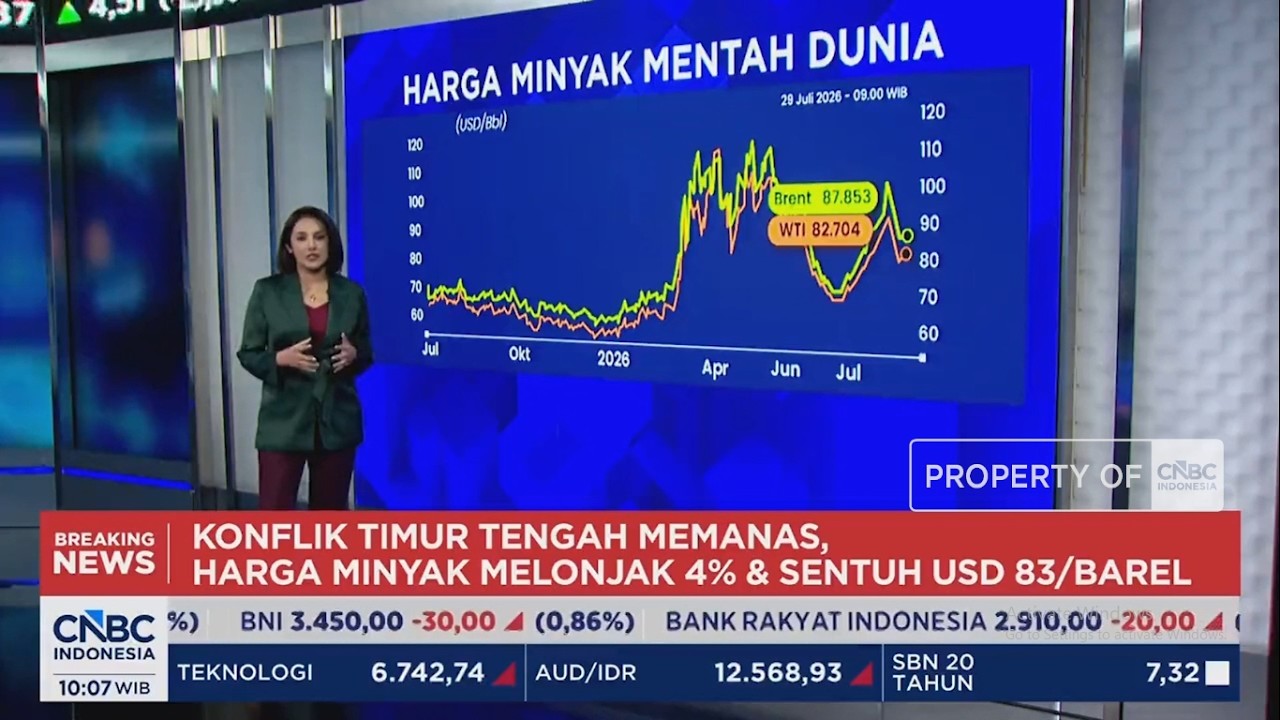
Energy was the most visible reason the inflation outlook could change quickly. Oil prices had moved through an unusually wide range during July as conflict involving the United States and Iran alternately intensified and appeared to ease. Brent crude had traded as low as roughly $72 a barrel early in the month and as high as about $102 later, according to contemporaneous market reporting. On the day of the Fed decision, renewed fighting pushed Brent sharply higher again.
Central banks usually look through a one-time oil shock because higher energy prices can simultaneously raise inflation and weaken demand. A household that spends more on gasoline has less money for restaurants, travel or discretionary purchases. A manufacturer that pays more for transport and electricity may reduce production or investment. Raising interest rates cannot produce oil, reopen shipping lanes or resolve a geopolitical conflict.
The danger is a second-round effect. If businesses pass higher energy costs into a broad range of prices, workers seek compensation through wages and inflation expectations rise, a temporary supply shock can become persistent. The Fed’s challenge is to judge whether inflation psychology remains anchored. That judgment cannot be made from oil prices alone. Officials must watch surveys, market-based inflation compensation, wage agreements, pricing plans and the breadth of price increases.
The July hold implies that the majority did not yet see enough evidence of second-round effects to justify immediate action. The dissenters likely placed greater weight on the risk of waiting until those effects were visible. Monetary policy works with lags. By the time a broad inflation rebound is obvious, the central bank may need to tighten more aggressively than it would have if it acted earlier.
This debate has no costless answer. A preemptive hike can reduce the chance that inflation becomes embedded, but it can also amplify the demand destruction caused by the original energy shock. Waiting can protect growth, but it can weaken credibility if the shock persists. The correct decision depends not only on the latest inflation number but also on how sensitive the economy is to rates and how rapidly supply conditions normalize.
For investors, the oil channel means the September decision is partly dependent on events outside the Fed’s control. A durable decline in crude prices would strengthen the case for another hold. Sustained prices near the upper end of July’s range would make the next CPI and PCE reports more difficult to interpret and increase pressure on the Committee to act.
The Labor Market Was Slower, Not Weak
The June employment report also favored patience, though it did not show the kind of deterioration that would rule out a future hike. Nonfarm payroll employment increased by 57,000, while the unemployment rate was 4.2%. The Bureau of Labor Statistics described both measures as little changed. Payroll growth was roughly in line with the average monthly increase over the previous 12 months, which had slowed to 36,000.
A gain of 57,000 would have looked weak during the rapid post-pandemic recovery. In a slower-growing labor force, it may be sufficient to prevent unemployment from rising materially. The Fed therefore needs to interpret job growth relative to population growth, immigration, participation and productivity rather than against an arbitrary historical benchmark.
The composition of employment was mixed. Professional and business services, social assistance and health care continued to add jobs, while leisure and hospitality lost positions. That pattern can be consistent with an economy that is rotating rather than contracting. It also suggests that rate-sensitive sectors and lower-margin consumer businesses may be feeling more pressure than aggregate unemployment data reveal.
Average earnings, hours worked, labor-force participation and revisions matter as much as the headline payroll number. A soft initial estimate can be revised. A stable unemployment rate can conceal weaker hiring if labor-force growth also slows. Conversely, modest payroll gains can be sustainable when productivity is improving and employers are reluctant to lay off trained workers.
For the Fed, the labor market creates an asymmetry. Inflation is above target, while unemployment is close to levels generally associated with maximum employment. That configuration gives policymakers room to prioritize price stability. Yet the slowdown in job creation warns that the margin of safety is not unlimited. A rate hike that materially weakens hiring could push the economy away from the employment side of the dual mandate just as inflation begins to improve.
The July majority appears to have concluded that another month or two of labor data would clarify whether June was noise or a trend. The dissenters appear to have concluded that stable unemployment and continued expansion meant the economy could absorb a modest increase. September will test those judgments. If payroll growth rebounds and unemployment remains near 4.2%, the case for a hike strengthens. If hiring stalls and unemployment rises, the coalition for tighter policy could shrink.
Growth Was Solid Enough to Keep a Hike on the Table
The broader economy was not in recession going into the meeting. The Bureau of Economic Analysis estimated that real GDP expanded at a 2.1% annual rate in the first quarter of 2026, up from 0.5% in the fourth quarter of 2025. Investment, exports, government spending and consumer spending contributed to the increase. That growth rate was strong enough to complicate claims that monetary policy was already excessively restrictive.
GDP is backward-looking and subject to revision. The first-quarter figure did not capture the full effect of the latest energy shock or developments in the second quarter. Even so, it provided evidence that the economy entered the summer with momentum. Consumer spending had also continued to grow in nominal terms, and real personal consumption expenditures increased in May.
The composition of growth matters for inflation. Demand powered by debt-financed consumption can be more interest-sensitive than growth powered by productivity-enhancing investment. The current cycle includes unusually large spending on data centers, semiconductors, electricity infrastructure and artificial intelligence. Those projects can raise near-term demand for labor, materials and power while increasing productive capacity over time.
This dual effect is central to Warsh’s thinking. If AI significantly raises productivity, the economy can grow faster without generating the same inflation pressure. More output per hour allows wages and profits to increase without requiring companies to raise prices at the same pace. But productivity benefits may arrive after the investment boom has already intensified demand. The same data-center buildout that promises future efficiency can push up electricity, construction and equipment costs today.
The Fed cannot confidently estimate the timing or magnitude of an AI productivity dividend. It must avoid tightening against genuine supply-side growth while also avoiding the assumption that every investment surge is automatically disinflationary. History contains many technologies that eventually lifted productivity but produced speculative excess, bottlenecks and uneven gains along the way.
For markets, this creates a paradox. Strong AI investment supports earnings and growth, but it may also keep interest rates higher. A productivity boom can justify higher equity valuations if profits rise. It can pressure long-duration assets if the neutral interest rate and Treasury yields move upward. The July meeting did not resolve that tension. It merely preserved the Fed’s ability to respond as evidence accumulates.
Why Waiting Until September Was Rational
The most persuasive argument for holding rates was not that inflation had been defeated. It was that the information value of waiting six weeks was unusually high.
Before the September meeting, the Fed will receive two additional monthly employment reports and two additional CPI reports. It will also see June PCE inflation, second-quarter GDP and a broad range of business, housing and consumer indicators. The September meeting includes updated projections, allowing officials to communicate not just a decision but a revised path for growth, unemployment, inflation and rates.
Waiting is especially valuable when a recent data point is both important and potentially temporary. June’s CPI report could mark a broad turn toward lower inflation. It could also reflect an energy reversal that was already being undone by late July. One additional report may not settle the issue, but two months of data can reveal whether core services, shelter and goods inflation are moving consistently.
There was also no evidence that inflation expectations had suddenly become unanchored in the days before the meeting. If expectations had broken higher, an immediate move would have been easier to justify. Without that emergency signal, the Fed could preserve credibility by explaining that it was evaluating persistence rather than reacting mechanically to volatile prices.
The cost of waiting one meeting is lower when policy is already restrictive. The federal funds rate was not near zero. The prime rate was 6.75%, mortgage rates were above 6.5%, and long-term Treasury yields were elevated. The economy was already operating under tight financial conditions. A pause did not remove that restraint.
Finally, the Fed had to consider the risk of an unprecedented market surprise. Central banks do not exist to guarantee investors comfort, but policy transmission works partly through expectations. A hike priced at only one-third probability could have produced a disorderly repricing across bonds, currencies and equities. If the economic benefit of acting immediately was small relative to waiting six weeks, avoiding unnecessary volatility was a legitimate consideration.
The strongest version of the hold argument therefore rests on sequencing. The Fed can remain hawkish in language, maintain restrictive rates, gather more evidence and act in September if necessary. That is different from assuming inflation will fall on its own. The distinction will be credible only if officials follow through when the data warrant it.
The Case for an Immediate Hike Was Also Serious
The dissenters’ argument begins with a simple observation: inflation had exceeded the Fed’s target for an extended period, and the economy still appeared capable of absorbing tighter policy. Waiting for perfect clarity risks waiting too long.
May PCE inflation at 4.1% was more than double the 2% objective. Core PCE at 3.4% suggested that the problem was not limited to food and energy. The June CPI report was encouraging, but one month of flat core prices does not erase years of overshooting. Inflation can fall in a straight line only in forecasts; in the real economy it often moves unevenly.
The hawkish case also emphasizes that real interest rates may be less restrictive than nominal rates imply. If inflation is running above 3%, a federal funds rate near 3.6% does not create a large positive real policy rate. If the neutral real rate has risen because of productivity, fiscal deficits, capital demand or changes in global saving, the current setting may be close to neutral rather than meaningfully restrictive.
Financial markets had already begun to internalize that possibility. Treasury yields rose during July, and the Fed’s own Monetary Policy Report noted that market pricing expected the effective funds rate to move toward roughly 4% by year-end. A quarter-point increase would have aligned policy more closely with that path and demonstrated that the Fed was willing to prevent inflation from becoming entrenched.
Credibility was another consideration. Warsh had spoken forcefully about the failure to return inflation to target. If the Fed repeatedly warns about inflation but declines to act while growth remains solid, households and businesses may conclude that the 2% objective is flexible in practice. That belief can alter wage bargaining, price setting and long-term contracts.
A July hike could also have been framed as insurance rather than the start of a long cycle. The Fed could have raised rates once, observed the response and paused. That strategy would have front-loaded restraint while preserving future flexibility. The risk is that markets might not believe the move was isolated, especially with three or more additional hikes potentially priced into some scenarios.
The dissenters were therefore not advocating toughness for its own sake. Their position reflected concern about asymmetric risk: allowing inflation to persist could eventually require a larger tightening, while a single quarter-point increase could be reversed if growth weakened. The majority judged the asymmetry differently. That disagreement is likely to define the September debate.
Modern Fed Communication Made a Surprise Hike Less Likely
Bank of America’s observation that the Fed had not hiked with less than 60% probability priced since 1994 highlights a structural change in monetary policy. The modern Fed does not merely set an overnight rate. It shapes the expected path of rates, and that path influences borrowing costs across the economy before any formal vote.
When officials signal a likely hike, two-year Treasury yields, corporate debt, mortgages and the dollar can adjust in advance. By the time the meeting arrives, part of the tightening has already occurred. This reduces the need for surprise and lowers the risk of chaotic repricing. It also means that communication itself becomes a policy tool.
The disadvantage is that the Fed can become trapped by expectations it helped create. If markets assign a low probability to a hike, officials may hesitate to act even when the data justify it. Investors can begin to believe that the central bank will protect them from surprise, creating moral hazard and excessive risk-taking. Warsh’s reduced-forward-guidance approach is partly an attempt to escape that trap.
Yet there is a difference between preserving optionality and abandoning communication discipline. A central bank that surprises frequently may raise the term premium investors demand to hold long-term bonds. That can increase mortgage and corporate borrowing costs even without a higher policy rate. The result may be tighter and less predictable financial conditions than officials intended.
July showed the boundary. Markets assigned enough probability to a hike that the meeting was genuinely live, but the Fed still chose the outcome favored by most economists and futures pricing. The decision maintained the principle that major moves should generally be prepared through communication, while the three dissents warned that investors should not assume September will be another routine hold.
The communication challenge now shifts to the intermeeting period. If officials who supported the hold begin signaling that their patience is limited, markets can price a September increase gradually. If speeches remain sparse and ambiguous, volatility may remain elevated. Warsh’s philosophy will be judged not by how little the Fed says, but by whether what it does say helps the public understand the framework.
Historical Comparisons: 1994, 2022 and the Limits of Analogy
The 1994 tightening cycle is the natural comparison whenever the Fed discusses surprise. Under Alan Greenspan, the central bank raised rates faster and more aggressively than markets expected. The episode contributed to large bond-market losses and financial stress, but it also occurred in a different communication regime. The Fed was less transparent, press conferences did not follow every meeting, and investors had fewer official projections.
That makes 1994 useful as a warning but not a blueprint. A surprise in 2026 would propagate through markets that trade continuously, incorporate enormous derivatives positions and react instantly to policy headlines. Greater transparency has reduced some uncertainty while increasing the speed of repricing when expectations are wrong.
The 2022 cycle offers a different lesson. Inflation broadened and the Fed accelerated from quarter-point increases to a 75-basis-point move in June after data and reporting shifted expectations shortly before the meeting. Markets were surprised by the speed of the change, but officials and financial media had moved the probability substantially before the announcement. The episode demonstrated that the Fed can alter its plan rapidly when new information is compelling.
July 2026 lacked that decisive catalyst. The latest CPI report pointed toward lower inflation, not an upside shock. Oil prices were rising, but the scale and persistence of the pass-through were unknown. The labor market was stable rather than overheating. An immediate hike would therefore have relied more on risk management and credibility than on a clear new data surprise.
There is also a lesson from earlier new chairs. Paul Volcker, Alan Greenspan, Ben Bernanke, Janet Yellen and Jerome Powell each inherited different inflation and growth conditions. Markets often search for a symbolic first act that defines a chair, but monetary policy is shaped by institutions and data as much as personality. Warsh’s July decision suggests he will not force a historical analogy simply to establish authority.
The relevant comparison may ultimately be less dramatic: a central bank holding restrictive rates while waiting to determine whether supply shocks fade. If inflation falls, July will look prudent. If inflation rises and the Fed is forced into multiple hikes, the decision will be criticized as a missed opportunity. Historical judgment will depend on the path that follows, not on the excitement surrounding one meeting.
How a Rate Hike Could Have Lowered Long-Term Yields
One of the more counterintuitive points in the pre-meeting debate concerned the long end of the Treasury curve. Many readers assume that if the Fed raises its overnight rate, every other interest rate must rise. In practice, long-term yields respond to several forces: expected future short-term rates, inflation expectations, real growth expectations, Treasury supply and the term premium investors demand for holding duration.
A surprise hike could have pushed two-year yields higher because that maturity is closely tied to the expected policy path. Ten- and 30-year yields might have moved differently. If investors interpreted the hike as proof that the Fed would restrain inflation and slow demand, long-term inflation and growth expectations could have fallen. Bond prices at the long end could then rise, pulling yields lower.
Mark Cabana argued before the meeting that a surprise hike might produce exactly that pattern. Risk assets could weaken, growth expectations could be marked down and demand for longer-dated Treasurys could increase. The yield curve would flatten or invert more deeply. In that scenario, the Fed would raise the short end while indirectly easing pressure on mortgage-linked and other long-term rates.
The opposite outcome was also possible. Investors might have interpreted a surprise as evidence that the Fed knew inflation was worse than the public understood. They might have demanded greater compensation for inflation risk and policy uncertainty, pushing long yields higher. A less predictable Fed can increase the term premium even when its immediate action is anti-inflationary.
The July hold avoided that experiment. After the announcement, Treasury-market moves were relatively contained and somewhat inconsistent across data snapshots. The two-year and 10-year yields eased in some post-decision trading, while other reports showed the 10-year and 30-year yields near 4.64% and 5.14%, respectively, amid oil-price pressure and the hawkish dissents. The variation underscores why market moves should be timestamped and not assigned a single cause.
For households, the critical point is that the federal funds rate does not mechanically set a 30-year mortgage. Mortgage rates tend to follow the 10-year Treasury yield plus a spread reflecting credit, prepayment and market risk. A Fed hike can sometimes lower mortgage rates if it convincingly reduces long-run inflation. A Fed hold can sometimes coincide with higher mortgage rates if investors demand more compensation for inflation or fiscal risk.
Market Reaction: Relief, but Not a Dovish Celebration
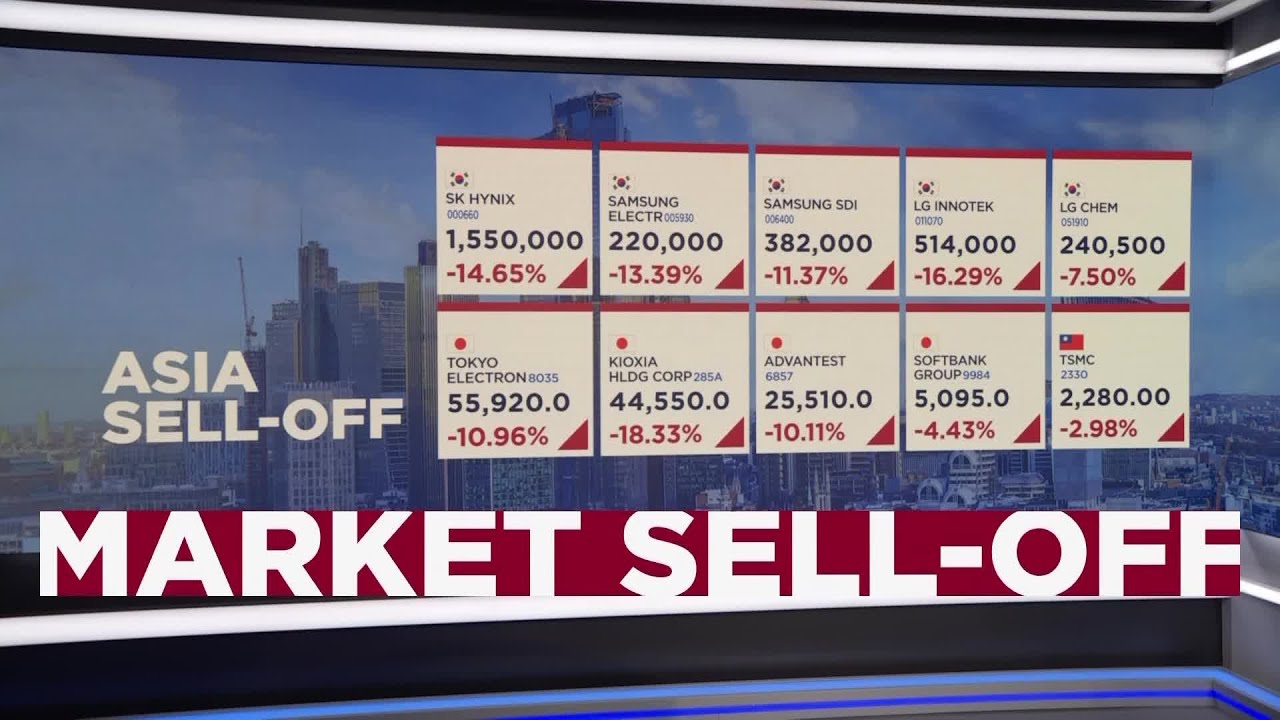
U.S. stocks recovered part of their earlier losses after the Fed announced the hold, but the reaction was not a broad risk-on surge. The trading day had already been dominated by renewed oil-price volatility and weakness in technology and semiconductor shares. The S&P 500 and Nasdaq improved from their pre-decision levels, while the Dow remained under pressure.
That response was logical. Investors avoided the immediate shock of a surprise hike, but the three dissents increased the probability of future tightening. A pure dovish hold would normally reduce expected short-term rates, weaken the dollar and support long-duration growth stocks. July’s decision did not provide that clean signal. It removed one near-term risk and strengthened another.
Oil complicated the interpretation. Higher crude prices supported energy shares while raising costs for transportation, manufacturing and consumers. They also made the Fed’s job more difficult. A stock-market decline before the decision could not be attributed solely to rate anxiety, and the partial rebound afterward did not mean investors had dismissed inflation risk.
Technology stocks were particularly sensitive because many leading AI-related companies had entered the meeting with high valuations and substantial capital-spending expectations. Higher discount rates reduce the present value of distant cash flows. At the same time, the AI investment boom was one reason the Fed believed economic activity and productivity remained strong. The sector was both a beneficiary of growth and a source of demand pressure.
Bank stocks also faced a mixed rate signal. Higher rates can widen asset yields and support net interest income, but they can increase deposit costs, reduce loan demand and raise credit losses. A flatter yield curve can pressure traditional lending margins. The hold preserved the current environment without resolving whether banks would face higher short rates and weaker growth later in the year.
Investors should be cautious about reading too much into the first hour after an FOMC announcement. Initial moves often reverse during the press conference or the next trading day as positions are unwound. The more durable signal will come from the path of two-year yields, inflation compensation, credit spreads and the dollar over subsequent sessions.
What the Decision Means for the U.S. Dollar and Global Markets
The dollar weakened modestly after the Fed held rates, consistent with the removal of an immediate hike. Yet the currency’s medium-term direction depends on relative policy, not the Fed in isolation. If the European Central Bank, Bank of England or Bank of Japan takes a different path, interest-rate differentials can move even when the U.S. target range is unchanged.
A September Fed hike would generally support the dollar by increasing the return on short-term U.S. assets, all else equal. But “all else equal” rarely holds. A hike that sharply reduces U.S. growth expectations or triggers risk aversion can produce competing flows. The dollar often benefits from safe-haven demand during stress, while currencies of commodity exporters may respond more to oil prices than to the Fed.
Emerging markets are sensitive to both the dollar and U.S. yields. Higher Treasury yields can pull capital toward dollar assets, increase the local-currency burden of dollar debt and force some central banks to keep their own rates higher. Countries that import energy face an additional shock when oil rises. The July hold reduced the immediate pressure, but the hawkish vote means global borrowers cannot assume U.S. rates have peaked for the cycle.
Global equity markets also reflect sector composition. Economies with large technology and semiconductor sectors can react strongly to changes in discount rates and AI expectations. Energy producers may benefit from oil shocks that hurt importers. A single label such as “hawkish” or “dovish” cannot capture those cross-currents.
The Fed’s communication strategy may itself affect international markets. Reduced forward guidance makes hedging more expensive and can increase exchange-rate volatility around U.S. data releases. Foreign central banks may need to respond more quickly to market moves even when their domestic outlook has not changed. The costs of uncertainty are therefore not confined to Wall Street.
What the Hold Means for Mortgages and Housing
Homebuyers did not receive an immediate rate cut from the July decision. The average 30-year fixed mortgage rate was 6.58% in Freddie Mac’s survey for the week ending July 23, the highest level in nearly a year. The 15-year rate averaged 5.96%. Those rates reflected Treasury yields, inflation concerns and mortgage-market spreads before the Fed meeting.
Keeping the federal funds rate unchanged can stabilize expectations, but it does not guarantee lower mortgage rates. If investors believe the Fed will hike in September or that inflation will remain elevated, the 10-year Treasury yield can stay high. Mortgage lenders may also maintain wide spreads if prepayment uncertainty, balance-sheet constraints or volatility remains elevated.
Housing affordability is affected by both price and financing cost. A modest decline in home prices may not offset a large increase in mortgage rates. Existing homeowners with low fixed rates have little incentive to move, restricting supply and creating a lock-in effect. Buyers face fewer listings and higher monthly payments even when transaction volumes are weak.
For a simple illustration, the principal-and-interest payment on a $400,000 30-year mortgage is far higher at 6.58% than at the sub-3% rates available in 2021. Taxes, insurance and maintenance add further costs. That difference affects household formation, geographic mobility, construction demand and consumer spending on furniture and renovations.
A September hike would not automatically send mortgage rates higher, but it would reinforce the higher-for-longer environment unless long-term inflation expectations fell enough to offset the move. A sustained decline in core inflation would likely do more for mortgage rates than one unchanged FOMC meeting.
Real-estate investors face similar constraints. Capitalization rates, refinancing costs and property values depend on long-term yields and credit spreads. Commercial properties with near-term maturities remain vulnerable even if the Fed pauses. The July hold buys time; it does not repair financing structures built for a lower-rate world.
Credit Cards, Auto Loans and Savings Accounts
Credit-card borrowers are more directly exposed to the federal funds rate because variable annual percentage rates are commonly tied to the prime rate. The bank prime loan rate was 6.75% before the meeting, and the average credit-card interest rate tracked by Bankrate was about 19.57% in late July. The Federal Reserve’s separate monthly measure for all credit-card accounts was 20.94% in May.
The hold means those variable rates are unlikely to receive relief from Fed policy immediately. Card issuers can change pricing for other reasons, but the broad benchmark remains elevated. A quarter-point hike in September would generally pass through to many variable balances after contractual adjustment periods.
Auto loans are influenced by policy rates, Treasury yields, credit risk, vehicle values and lender competition. Borrowers with weaker credit are especially exposed because risk premiums can dominate the benchmark rate. An unchanged Fed rate may prevent an immediate increase, but it does not necessarily reduce monthly payments.
Savers experience the other side of the equation. High-yield savings accounts and money-market funds can continue offering relatively attractive returns while short-term rates remain high. The national average savings rate is much lower than the best online offers, so consumers must compare accounts rather than assume their bank will pass through the Fed’s setting.
The distributional effect is significant. Households carrying revolving debt pay high interest, while households with liquid savings earn more. The same policy that restrains demand can transfer income from borrowers to savers. That is one reason rate changes affect consumer spending unevenly.
For personal finances, the most practical conclusion is not to speculate on one meeting. Variable-rate borrowers should evaluate balances under a range of rates, and savers should compare yields, fees and deposit-insurance coverage. The Fed’s July decision preserved current conditions; it did not promise that those conditions would last.
What Higher-for-Longer Rates Mean for Businesses
For companies, the policy hold means the cost of capital remains a strategic constraint. The prime rate influences floating-rate loans, while Treasury yields and credit spreads affect bonds and fixed-rate financing. Small businesses often face the fastest pass-through because bank credit lines reprice with short-term benchmarks.
Companies with strong balance sheets can absorb higher rates or fund investment internally. Highly leveraged firms, private-equity-owned businesses and companies with large maturity walls face more difficult choices. They may reduce capital spending, sell assets, issue equity or accept lower returns to refinance debt.
The effect is not uniform across sectors. Banks can earn more on loans but pay more for deposits. Insurers may benefit from higher reinvestment yields. Utilities and real-estate companies can be hurt because they rely on long-duration financing. Technology firms with large cash balances may earn more interest income even as their valuations face higher discount rates.
AI infrastructure occupies a special category. Demand for data centers, chips, power generation and transmission has remained strong enough to support investment despite elevated rates. If expected returns are high, projects can proceed even when financing costs rise. That resilience is evidence for the Fed that monetary policy has not fully constrained demand. It is also evidence that tighter rates may have to work through other sectors more heavily.
Corporate credit quality becomes more important the longer rates remain high. Interest-coverage ratios deteriorate when debt reprices. Defaults often lag the initial rate increase because companies hedge, hold cash or have fixed maturities. A prolonged plateau can therefore create more stress than a brief peak followed by cuts.
The July hold reduces the risk of an abrupt increase in short-term borrowing costs. The three dissents prevent CFOs from assuming the next move is lower. Scenario planning should include a September hike, unchanged rates through year-end and a slower-growth case in which market yields fall even without immediate Fed easing.
The Fiscal Backdrop and the 30-Year Yield Above 5%
The pre-meeting discussion highlighted the 30-year Treasury yield above 5%, a level with consequences beyond bond portfolios. Long-term Treasury yields serve as reference rates for mortgages, infrastructure, pensions, insurance liabilities and corporate finance. Their rise reflects more than expected Fed policy.
Inflation expectations are one component. Real yields are another. Investors also require compensation for duration risk, uncertainty and the supply of government debt. Large fiscal deficits and heavy Treasury issuance can push the term premium higher even when the Fed is holding or cutting short-term rates.
This limits the central bank’s control over financial conditions. The Fed can set the overnight rate and influence expectations, but it cannot dictate the 30-year yield without using balance-sheet tools or changing the market’s view of inflation and fiscal sustainability. A policy hike might lower long yields if it improves credibility, but it cannot eliminate supply pressure.
The relationship also creates a political complication. Elected officials may want lower borrowing costs, while fiscal policy contributes to high long-term yields. Pressure on the Fed to cut can be ineffective or counterproductive if markets interpret easing as inflationary. Long yields can rise even as the policy rate falls.
For investors, the level of the 30-year yield signals that duration risk is no longer theoretical. Small changes in yield produce large price moves in long-maturity bonds. The income is higher than it was in the low-rate era, but so is volatility. The July decision did not remove that risk.
Political Pressure and Federal Reserve Independence
The July meeting took place under political pressure for lower rates. President Donald Trump had repeatedly argued that U.S. borrowing costs should be lower, while praising Warsh personally. The Fed’s decision to hold, rather than cut, underscored the tension between the administration’s preferences and the central bank’s statutory mandate.
Independence does not mean the Fed is immune from democratic scrutiny. Congress created the institution, defines its mandate and receives testimony from its leaders. Independence means day-to-day rate decisions are expected to be based on economic objectives rather than the financing needs or electoral priorities of the executive branch.
A surprise hike could have been interpreted as a demonstration of independence, but symbolic defiance is not a sound policy framework. The Fed should neither follow political demands nor make opposite decisions merely to prove autonomy. Credibility depends on consistent reasoning that can be defended with evidence.
The 9–3 vote may help in that respect. It shows that the decision emerged from a committee with visible disagreement rather than a single chair acting for political effect. The three dissents also demonstrate that hawkish views were permitted even though the majority chose patience.
Political pressure becomes more consequential if inflation remains high and growth slows. Calls for cuts would intensify, while the Fed might believe rates need to stay high or rise. That conflict could affect markets by increasing the perceived risk to institutional independence. Treasury yields and the dollar would then respond not only to economic data but also to governance.
Warsh’s reduced communication strategy may shield the Fed from some political crossfire, but silence is not sufficient. The institution must explain how its decisions serve maximum employment and stable prices. A clear framework is the strongest defense against accusations that policy is arbitrary or partisan.
September Is Now the Real Decision Point
The next scheduled FOMC meeting is September 15–16. It is associated with a Summary of Economic Projections, which makes it a more natural point for a policy change than July. Officials will publish new forecasts for GDP growth, unemployment, headline and core PCE inflation, and the federal funds rate. The distribution of rate projections will show whether the July dissenters have attracted additional support.
Between meetings, the Fed will receive a dense sequence of data. The July employment report will show whether June’s 57,000 payroll gain was an isolated slowdown. The July CPI report, scheduled for August 12, will reveal whether the broad improvement in core prices continued after energy rebounded. August employment and inflation reports will provide a second confirmation or contradiction.
The June PCE report and second-quarter GDP estimate were scheduled for release immediately after the July meeting. Those reports are especially important because PCE is the Fed’s target measure and GDP will update the growth picture beyond the first quarter. Retail sales, producer prices, housing data and surveys of business prices will fill in the transmission channels.
The September decision will not be determined by one threshold. A modest rebound in headline inflation caused by energy might not be enough if core inflation continues to fall. Strong payrolls might not justify a hike if wage growth and services inflation cool. Conversely, stable unemployment combined with broad price acceleration would make a hike difficult to avoid.
Markets will also matter. If Treasury yields, credit spreads and the dollar tighten financial conditions substantially before September, the Fed may judge that markets have done part of its work. If equities rally, credit remains easy and demand accelerates, officials may see less restraint than the policy rate implies.
What Comes Next
Data That Could Decide the September Meeting
- June PCE inflation: The first post-meeting test of whether the Fed’s preferred measure followed CPI lower.
- Second-quarter GDP: Evidence on whether economic momentum strengthened or weakened after the first quarter.
- July and August employment reports: Confirmation of labor-market stability or evidence of a sharper slowdown.
- July and August CPI reports: Two opportunities to determine whether June’s flat core reading was durable.
- Oil and gasoline prices: A key influence on headline inflation, household expectations and disposable income.
- Financial conditions: Treasury yields, credit spreads, equities and the dollar can tighten or loosen policy before the Fed acts.
Original sources: Federal Reserve FOMC calendar and Bureau of Labor Statistics CPI release schedule
Three Plausible Policy Scenarios
The July decision leaves three broad scenarios for September. These are analytical possibilities, not forecasts or investment recommendations.
| Scenario | Conditions | Likely Fed logic | Key market question |
|---|---|---|---|
| 25-basis-point hike | Core inflation reaccelerates or remains sticky, payrolls stabilize, unemployment stays low and financial conditions remain supportive. | The cost of additional delay exceeds the risk of modestly weaker growth. | Is the hike a one-time adjustment or the start of a renewed cycle? |
| Another hold | Core inflation continues to cool, energy pressure fades and employment growth remains soft but positive. | Existing restraint is working, and patience avoids overtightening. | Will markets push expected hikes further into the future? |
| Cut or easing signal | A sharp labor-market deterioration, financial stress or an unexpectedly deep contraction overwhelms inflation concerns. | The employment or stability mandate requires support despite above-target inflation. | Would easing stabilize growth or undermine inflation credibility? |
The hike and hold scenarios are the most relevant based on information available immediately after the July statement. A cut would require a meaningful change in conditions. The Fed had described activity as solid and unemployment as little changed, while three officials wanted tighter policy. That is not the starting point for near-term easing.
The market’s challenge is to distinguish the probability of one hike from the expected terminal rate. A September increase could be followed by a long pause. Alternatively, it could signal that the Fed believes the neutral rate is higher and that several moves are needed. Asset prices depend more on the full path than on the next 25 basis points.
The Strongest Case That the Fed Made the Right Decision
The strongest defense of the July hold is grounded in evidence, timing and proportionality.
First, the latest CPI report improved materially. Headline prices fell on the month, and core prices were flat. Monetary policy should respond to trends, but ignoring a broad downside surprise would have been difficult to justify. The Fed could maintain a restrictive stance without adding restraint immediately.
Second, payroll growth had slowed. The unemployment rate remained low, but hiring was no longer running at a pace that clearly threatened overheating. Raising rates into a decelerating labor market would increase the risk of turning a soft landing into an avoidable contraction.
Third, the inflation shock contained a substantial supply component. Oil and food prices can be influenced by war, shipping and weather. Interest rates affect demand, not physical supply. A premature hike could compound the income shock to households while doing little to solve the original problem.
Fourth, the next meeting offers much more information and a better communication platform. Six weeks is not a long delay in a policy regime already imposing high borrowing costs. September projections can show how the Committee expects any hike to fit into the broader path.
Fifth, the cost of a surprise was unusually high. With only about one-third probability priced, a hike could have created volatility disproportionate to the economic difference between acting in July and September. Avoiding an unnecessary shock is not capitulation to markets; it is part of effective transmission.
Finally, the dissenters preserved credibility. The public can see that the Committee is not complacent. The majority bought time without pretending there was no inflation problem. If the Fed acts in September after additional evidence, July will look like disciplined patience rather than delay.
The Strongest Skeptical Case
The skeptical interpretation is that the Fed once again found a reason to wait while inflation remained far above target.
May PCE inflation was 4.1%, and core PCE was 3.4%. Those are not marginal misses. The Fed had already spent years forecasting a return to 2% that failed to materialize. One soft CPI report may not justify confidence, especially when energy prices were rebounding before the meeting ended.
The economy was also growing. First-quarter GDP expanded at 2.1%, unemployment was 4.2% and AI-related investment remained strong. If the Fed will not raise rates under those conditions, skeptics can reasonably ask what evidence would be sufficient.
Waiting may also make the eventual adjustment larger. If July inflation rebounds and expectations rise, the Fed could face pressure for consecutive hikes. A modest increase in July might have reduced the need for a more forceful response later.
Communication creates another vulnerability. Warsh has reduced forward guidance and emphasized intolerance for inflation. Holding after markets priced a meaningful chance of a hike may encourage investors to conclude that tough language will not translate into action. The three dissents mitigate that problem but do not eliminate it.
There is also a political risk. The administration wants lower rates. Even when the decision is based on data, repeated holds can be interpreted through a political lens. The Fed must provide a rigorous explanation to prevent doubts about independence.
The skeptical case will gain strength if inflation reaccelerates while the labor market remains stable. It will weaken if June marks the beginning of a sustained decline in core prices. The July decision is therefore unusually testable. The next two months of data will reveal whether patience was informed or hopeful.
What Would Change the Interpretation of July’s Hold?
Several developments could quickly alter the judgment.
A broad decline in core inflation would validate the majority. The important evidence would not be only lower gasoline. Shelter, nonhousing services and goods inflation would need to move consistently toward rates compatible with 2% PCE inflation.
A rebound in payroll growth without wage acceleration would be less hawkish than it first appears. Stronger employment can coexist with lower inflation when productivity and labor supply expand. The Fed would need to assess unit labor costs, not jobs alone.
Higher inflation expectations would support the dissenters. Surveys and market measures are imperfect, but a sustained rise would indicate that temporary shocks were becoming embedded.
A sharp rise in unemployment would change the balance of risks. The Fed might keep rates unchanged even if inflation remained above target, especially if credit conditions tightened or layoffs broadened.
A de-escalation in the Middle East could lower oil and shipping costs, reducing headline inflation and household stress. An escalation could have the opposite effect, though the policy response would depend on second-round effects.
A sustained tightening in long-term yields could substitute for a policy hike. If mortgages, corporate credit and the dollar tightened materially, the Fed might wait. If financial conditions loosened despite elevated inflation, officials could feel compelled to raise the short-term rate.
What the Pre-Meeting Debate Got Right—and What the Decision Changed
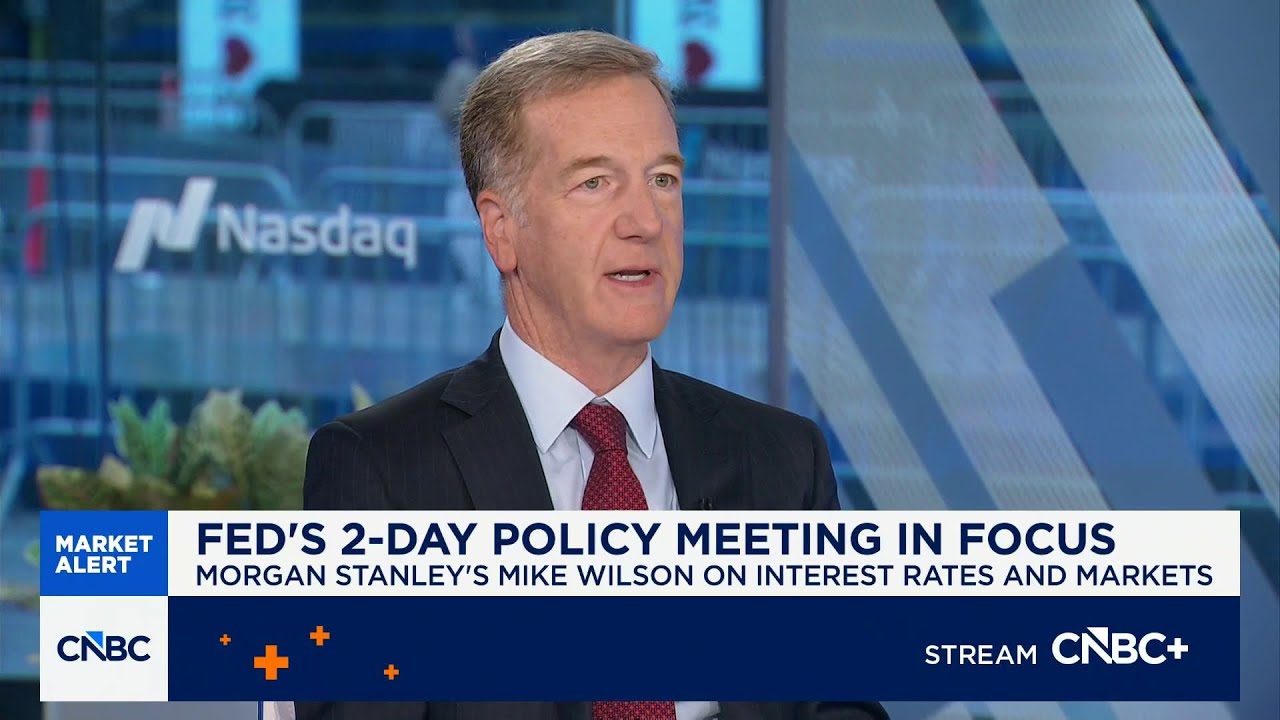
The televised discussion with Bank of America Securities rates strategist Mark Cabana was useful because it captured the unusual feature of the July meeting: the outcome was not fully telegraphed. For most modern FOMC meetings, investors enter decision day with overwhelming confidence about the immediate rate move. The debate then centers on the statement, projections and press conference. In July, the action itself remained uncertain.
Cabana’s historical point proved especially important. Bank of America’s review of fed funds futures pricing since 1994 found no instance in which the Fed raised rates when markets assigned less than a 60% probability immediately beforehand. With the probability of a July hike around one-third, an increase would have broken with the central bank’s modern communication pattern. The eventual hold preserved that pattern. It showed that reduced forward guidance does not mean the Committee has abandoned all concern about avoidable market surprise.
That does not mean futures pricing forced the decision. The Fed’s legal mandate is not to validate derivatives markets. Policymakers can and should surprise investors when the economic case is strong enough. Yet the bar for doing so is high because monetary policy works partly through expectations. An unexpected hike would have affected the expected path of future rates, Treasury yields, equity valuations, credit spreads and the dollar within seconds. The economic effect could have exceeded the mechanical 25-basis-point change.
The decision also revised one element of Bank of America’s forecast. Cabana said the firm expected two dissents if the Committee held and no dissents if it hiked. The actual vote produced three dissents for a quarter-point increase. That difference is not trivial. It indicates that the hawkish bloc was broader than the pre-meeting estimate and that the majority’s preference for patience was not merely overcoming one or two isolated objections.
The forecast that a hike might receive no dissents remains a counterfactual. It is possible some officials who voted to hold would have supported the chair rather than publicly oppose a tightening move. It is also possible one or more would have dissented. Because the hike never occurred, the claim cannot be tested. What can be observed is that three policymakers were willing to place their disagreement on the record when the Committee chose not to act.
Cabana also argued that a surprise hike might lower long-term yields rather than raise them. The logic was that an unexpectedly forceful Fed could reduce expected growth, weaken risk assets and strengthen confidence that inflation would be contained. Those forces can pull long-dated Treasury yields down even as the overnight policy rate rises. That is a sound description of one possible transmission channel, but it is not automatic.
Long-term yields combine several components: expected future short-term rates, expected inflation, the real return investors demand and a term premium for holding duration. A surprise hike could lower expected inflation and growth while raising the term premium if investors became less confident in the Fed’s communication framework. The net result would depend on which component dominated. The July hold left that specific hypothesis untested.
The conversation’s broadest insight was that Chair Kevin Warsh’s reaction function remained uncertain. July supplied the first significant piece of evidence. The chair was willing to preside over a divided hold even after criticizing persistent inflation and limiting explicit guidance. That suggests he is not using surprise for its own sake and is prepared to wait after a meaningful downside inflation reading.
At the same time, the statement and vote did not reveal a dovish reaction function. Three dissenters wanted higher rates, inflation remained described as elevated and the Committee did not signal that easing was near. Warsh’s approach appears more conditional than ideological: less pre-commitment, greater tolerance for uncertainty and a willingness to let incoming data determine whether the next move is a hike or another hold.
That distinction matters for interpreting future meetings. A chair can be rhetorically hawkish yet procedurally patient. He can also tolerate dissents without losing control of the Committee. The quality of the framework will be judged by whether the public can understand how new information changes the decision—not by whether every meeting is predictable weeks in advance.
The July result therefore supports a nuanced assessment of the pre-meeting debate. The market was right not to dismiss a hike, because internal support for tightening was real. Bank of America was right that delivering one with such limited pricing would have been historically unusual. The Fed was right to recognize that June’s inflation and employment data altered the immediate balance. The unresolved question is whether waiting six weeks improves the decision or merely postpones an adjustment that the dissenters already considered necessary.
How an Unchanged Federal Funds Rate Still Affects the Economy
A hold can sound like no action, but maintaining a restrictive rate is an active policy choice. The federal funds target range determines the price at which banks are expected to trade reserve balances overnight, supported by the interest rates the Federal Reserve pays on reserve balances and offers through its overnight reverse-repurchase facility. Those administered rates anchor a much larger structure of borrowing costs.
The first transmission channel is the money market. When the Fed keeps the target range at 3.50%–3.75%, overnight secured and unsecured rates remain near that level. Treasury bills, commercial paper, certificates of deposit and institutional cash funds are priced relative to the expected path of those rates. A hold preserves the return available on cash-like instruments and the funding cost paid by financial institutions and large companies.
The second channel runs through banks. The prime rate, which many banks use as a reference for variable-rate commercial loans, home-equity lines and some credit cards, usually moves in step with the top of the federal funds range. The Federal Reserve’s H.15 release showed a 6.75% bank prime rate before the decision. By holding, the Fed avoided an immediate move toward 7.00%, but it also denied borrowers the relief that would accompany a cut.
The third channel is the bond market. Two-year Treasury yields are highly sensitive to the expected policy path, while 10-year and 30-year yields reflect a longer combination of expected short rates, inflation and term premium. The Fed can hold today while markets raise or lower longer-term yields based on what the decision implies for September, 2027 and beyond. This is why mortgage rates can move even when the policy rate does not.
The fourth channel is asset valuation. Higher discount rates reduce the present value of distant cash flows, which tends to weigh more heavily on richly valued growth companies than on businesses whose cash flows arrive sooner. The relationship is not mechanical because stronger growth can support earnings at the same time that it raises yields. July’s decision left investors balancing a still-restrictive discount rate against evidence that the economy had not entered recession.
The fifth channel is exchange rates. If investors expect U.S. rates to remain higher than rates abroad, dollar assets can become more attractive, supporting the currency. A stronger dollar lowers the U.S.-dollar price of some imports and commodities but reduces the translated value of overseas revenue for American multinationals. It can also tighten financial conditions for foreign borrowers with dollar-denominated debt.
The sixth channel is expectations. Households and businesses make decisions based not only on today’s rate but on where they believe financing costs, inflation and demand are headed. A credible commitment to price stability can prevent temporary shocks from influencing wage contracts and pricing plans. An ambiguous or inconsistent framework can cause firms to build larger inflation cushions into prices and workers to demand higher nominal wages.
These channels operate with different lags. Money-market rates adjust almost immediately. Mortgage and corporate-bond rates can move before the Fed acts because markets anticipate policy. Capital spending and hiring may respond over quarters. Housing construction can take years to reflect financing conditions fully. Inflation can remain elevated even after demand has cooled because leases, wages and service prices reset gradually.
That lag structure is central to the July debate. Hawks can argue that the Fed must act before inflation expectations deteriorate because policy takes time to work. The majority can answer that previous tightening is still passing through the economy and that adding restraint after one weak employment report could create an unnecessary downturn later. Both arguments concern timing, not whether inflation matters.
Maintaining the rate also has distributional effects. Savers in money-market funds and short-term deposits benefit from yields that remain well above the levels common before the inflation episode. Borrowers with revolving debt continue to face high costs. Homeowners with fixed-rate mortgages are insulated until they move or refinance, while renters can be affected indirectly through landlords’ financing and construction costs.
Small businesses often feel the policy stance more quickly than large corporations. A major issuer can borrow in the bond market, use derivatives or draw on committed credit lines. A smaller firm may rely on a floating-rate bank loan whose cost resets with prime or a short-term benchmark. A hold prevents another immediate increase, but financing remains expensive relative to the near-zero-rate environment that shaped many pre-2022 business plans.
The policy stance also influences government finance. Treasury securities are priced in markets rather than set by the Fed, yet expected short-term rates affect the cost of issuing bills and refinancing debt. Persistently high rates raise federal interest expense over time as maturing securities are replaced. That fiscal effect does not determine the FOMC’s mandate, but it is part of the economic environment in which monetary policy operates.
Calling July a “no-change” decision is therefore incomplete. The Fed chose to continue exerting restraint through money markets, bank credit, discount rates and expectations. It also chose not to intensify that restraint before receiving more data. The economic consequences will depend on how long the range is maintained and how markets interpret the next move.
Banks, Depositors and the Availability of Credit
For banks, the July hold preserves a complicated mix of benefits and costs. Higher short-term rates can increase the yield earned on loans and securities, but they also raise the price banks must pay to retain deposits. The effect on profitability depends on how quickly assets and liabilities reprice, the composition of each balance sheet and the credit quality of borrowers.
Deposit competition remains important. Customers can compare ordinary bank accounts with Treasury bills and money-market funds. When market rates stay high, banks that offer low deposit yields risk losing balances or must pay more to keep them. Large institutions with broad transaction-account franchises may have more pricing power than regional or community banks that rely on rate-sensitive funding.
A further rate hike would have intensified that competition. Holding gives banks more time to adjust funding, but it does not restore the unusually cheap deposits available when policy rates were near zero. Net interest margins can remain under pressure even when the policy rate is unchanged, particularly if higher-cost certificates replace noninterest-bearing accounts.
Asset quality is the second concern. Borrowers entered the higher-rate period with different degrees of protection. Fixed-rate homeowners may be insulated, while companies with floating-rate debt or upcoming maturities face immediate repricing. Banks must decide whether a stressed borrower has a temporary cash-flow problem or a business model that no longer works at current financing costs.
Commercial and industrial lending can weaken through both demand and supply. Companies may postpone investment because projects no longer meet required returns. Banks may tighten underwriting because collateral values are uncertain or regulators demand stronger capital and liquidity. A stable federal funds rate does not guarantee stable credit availability.
Smaller banks are especially relevant because they provide a substantial share of credit to local businesses and commercial real estate. Their exposures vary widely, so broad conclusions can mislead. A bank with diversified loans, ample capital and sticky deposits faces a different outlook from one concentrated in offices or dependent on uninsured funding.
The yield curve adds another layer. Traditional banking benefits from borrowing short and lending long, but that simplified model does not capture hedging, deposit behavior or modern securities portfolios. A curve in which short rates remain high relative to long rates can compress the return from maturity transformation. If long yields rise because of term premium rather than stronger growth, funding and credit risks can increase together.
For depositors, the hold means cash yields should remain comparatively attractive in the near term, though individual banks can change rates independently. The relevant comparison is the annual percentage yield after fees and taxes, not the Federal Reserve’s target itself. Deposit insurance limits and institution-specific conditions also matter for large balances.
For bank investors, the July decision should not be interpreted through a single rate sensitivity. A hike can help asset yields but hurt funding costs and credit quality. A cut can reduce funding pressure but signal weaker growth and compress margins. The most useful indicators are deposit flows, deposit beta, net interest margin, loan growth, nonperforming assets, provisions and capital ratios.
The Fed’s choice to wait reduces the immediate shock to bank funding while preserving pressure on weaker borrowers. That is neither unambiguously positive nor negative for the sector. It shifts attention from the policy announcement to the durability of deposits and the performance of loan books through another six weeks of restrictive conditions.
Housing and Commercial Real Estate Remain Bound to Long-Term Rates
Housing is where the difference between the federal funds rate and long-term borrowing costs is most visible. Freddie Mac reported an average 30-year fixed mortgage rate of 6.58% for the week ending July 23, with the 15-year rate at 5.96%. Those figures were far above the policy rate because mortgage pricing incorporates Treasury yields, duration risk, prepayment behavior, credit costs and the spread required by investors in mortgage-backed securities.
A July hold does not automatically lower mortgage rates. A borrower can see rates rise after a hold if investors expect inflation to remain high or demand greater compensation for holding long-duration assets. Rates can fall after a hike if the action strengthens confidence that inflation will be contained. The path of the 10-year Treasury yield and mortgage spreads matters more than the overnight rate alone.
High mortgage rates affect the housing market through affordability and supply. Monthly payments on a newly purchased home are much higher than they would be at the rates available several years earlier. At the same time, owners with low fixed rates are reluctant to sell and replace them with more expensive loans. That “lock-in” effect constrains existing-home inventory and can support prices even as transaction volume weakens.
Homebuilders operate under a different set of incentives. Limited existing inventory can direct buyers toward new construction, but builders face land, labor, material and financing costs. Larger companies may use mortgage-rate buydowns or other incentives, reducing reported margins to preserve sales. Smaller builders can be more dependent on bank financing and local demand.
Renters feel the policy through a slower and less direct route. High financing costs can delay apartment projects, limiting future supply. Weak demand or a wave of completed units can pressure rents in specific cities, while insurance, taxes, maintenance and debt service can raise owners’ required revenue. National averages conceal substantial regional differences.
Commercial real estate is even more sensitive to refinancing. Many properties were financed when benchmark rates and capitalization rates were lower. As loans mature, owners may face higher interest expense, lower appraised values and demands for additional equity. The problem is most severe when net operating income has weakened at the same time.
Office properties remain the clearest example because remote and hybrid work changed demand independently of monetary policy. A building can be current on its loan yet still face a large refinancing gap if occupancy, rent or valuation has declined. Higher rates expose that gap; they did not create every underlying problem.
Other commercial categories differ. Data centers and logistics properties can benefit from structural demand, while apartments depend on local supply and household formation. Hotels reprice rooms daily but are cyclical. Retail performance varies by format and location. Treating all commercial real estate as one asset class obscures the most important credit distinctions.
The July hold gives borrowers no immediate refinancing relief. It may reduce the risk of an abrupt additional increase, but the relevant benchmark for a five-, seven- or 10-year loan remains tied to market yields and lender spreads. Creditworthy owners may refinance at a higher cost. Weaker properties may require extensions, restructurings, asset sales or fresh capital.
A future cut would not automatically solve the problem. If cuts occur because the economy is weakening, rents and occupancy may deteriorate even as benchmark rates fall. If inflation cools without recession, lower long-term yields could improve refinancing conditions more cleanly. The reason for the rate move matters as much as its direction.
Housing and commercial real estate therefore reinforce the central lesson of the meeting. The Fed controls an overnight target, not every borrowing cost. July’s hold can stabilize the near-term policy path, but affordability, construction and refinancing will remain constrained until long-term yields, credit spreads or property fundamentals improve.
Treasury Yields, the Curve and the Meaning of a “Hawkish Hold”
Bond investors do not trade the current federal funds rate in isolation. They trade a sequence of expected overnight rates plus inflation compensation and term premium. The July decision mattered because it changed the probability distribution around that sequence.
The two-year Treasury yield is often described as the part of the curve most sensitive to Fed policy. That is broadly true, but the relationship is not one-for-one. The security reflects expected policy over two years, coupon payments, liquidity and demand for safe assets. A hold can lift the two-year yield if the statement makes a September hike more likely, or lower it if investors conclude the Fed is reluctant to tighten.
The 10-year yield incorporates a much longer period. Near-term policy still matters, but expected nominal growth, inflation and term premium become more important. Fiscal deficits and Treasury issuance can affect the compensation investors demand. Global demand from pensions, insurers, banks and foreign reserve managers can move yields independently of a single FOMC meeting.
The 30-year yield magnifies duration risk. Small changes in required yield can produce large price movements because cash flows extend far into the future. The pre-meeting discussion noted that the long bond had moved above 5%. That level can tighten financial conditions through mortgages, corporate bonds and valuation models even when the federal funds range is below 4%.
A “hawkish hold” usually means the central bank leaves the rate unchanged while signaling a greater likelihood of future tightening. July qualifies because three officials voted to hike and the statement retained concern about elevated inflation. The phrase should not be treated as a formal Fed category. It is a market description of the gap between the immediate action and the implied path.
Curve shape provides information but not a complete forecast. A flatter curve can reflect expectations that tighter policy will slow growth. A steeper curve can reflect stronger growth, higher inflation, greater issuance or rising term premium. The same steepening can occur for very different reasons depending on whether short yields fall, long yields rise or both.
For banks and leveraged investors, the path of the curve influences funding and hedging. For pension funds and insurers, higher long yields can improve the return available against long-dated liabilities, though existing bond holdings may lose market value. For households, long yields feed into mortgages and some student, auto and personal loans through market benchmarks and lender pricing.
Bond volatility is another transmission channel. When the Fed provides less forward guidance, investors may demand more compensation for uncertainty about future short rates. That can raise term premium even if the expected average policy rate is unchanged. Reduced guidance can improve price discovery, but it can also make long-term borrowing more expensive if uncertainty becomes persistent.
The July hold may ultimately lower long yields if subsequent data confirm disinflation and investors conclude that no hike is necessary. It may raise them if the delay allows inflation expectations or term premium to increase. A September hike could reverse either move depending on whether it is interpreted as preventive discipline or evidence that inflation is becoming harder to control.
This is why the immediate bond-market reaction should not be confused with the lasting effect. Decision-day trading often reflects positioning, hedging and rapid interpretation of a few words. The durable move emerges after investors incorporate the press conference, economic releases and supply of new Treasury securities.
Investors also need to distinguish yield from total return. When yields rise, existing bond prices generally fall, but higher income can improve future returns for new buyers. The outcome depends on maturity, duration, reinvestment and holding period. A discussion of “bonds doing well” is incomplete unless it specifies whether it refers to price, yield, income or total return.
The most relevant question after July is not whether yields moved a few basis points in one afternoon. It is whether the curve begins to price a durable return to 2% inflation, a higher neutral rate or a policy error. Those interpretations have very different implications for equities, housing, the dollar and federal borrowing costs.
Inflation Expectations, Credibility and the Meaning of the 2% Goal
The Fed’s inflation goal applies to the personal consumption expenditures price index, not the consumer price index. The two measures often move in the same direction, but they differ in coverage, weights and methodology. CPI gives greater weight to out-of-pocket urban consumer expenses, including shelter. PCE covers a broader range of spending and accounts more readily for substitution among goods and services.
May’s 4.1% headline PCE inflation and 3.4% core PCE inflation remained far from 2%. June CPI, by contrast, offered a much more favorable monthly signal. The Committee had to decide how much weight to place on a newer but different measure versus an older reading of its preferred index. Waiting allowed it to see whether PCE would confirm the CPI improvement.
The 2% goal is not a ceiling that requires an immediate response to every monthly overshoot. Monetary policy operates with lags, and temporary relative-price changes can create volatility. The goal is a medium-term anchor intended to keep households and businesses confident that the purchasing power of money will not erode unpredictably.
Inflation expectations matter because they can influence actual inflation. A business expecting persistent cost increases may raise prices earlier. Workers expecting higher living costs may seek larger wage increases. Lenders may demand higher nominal yields. None of these responses is irrational, but together they can make inflation harder to reduce.
Expectations are difficult to measure. Household surveys can respond strongly to gasoline and food prices. Professional forecasts may change slowly and cluster around the Fed’s target. Market-based measures derived from Treasury inflation-protected securities include risk and liquidity premiums, not just pure expectations. Policymakers therefore examine several indicators rather than relying on one.
Credibility is also not the same as always choosing the more hawkish option. A central bank builds credibility by explaining a coherent framework and following it across changing conditions. Raising rates after every inflation surprise would be as mechanistic as cutting after every weak jobs report. The mandate requires judgment about persistence, causes and risks.
The dissenters’ argument is nevertheless powerful. Inflation had exceeded target for an extended period, and repeated forecasts of improvement had disappointed. In that environment, waiting after one favorable CPI release risks appearing asymmetric: the Fed may respond quickly to weaker employment but demand several months of proof before responding to higher inflation.
The majority’s answer is that policy was already restrictive. Credibility does not require maximizing the rate; it requires setting a stance likely to return inflation to 2% without unnecessary damage to employment. If June marks a genuine turning point, a July hike would have added restraint just as it was becoming less necessary.
The three dissents can strengthen institutional credibility by showing that the debate is real. They make it harder to characterize the hold as complacency. They also create accountability. If inflation rebounds, the dissenters can point to a clear alternative. If it continues to fall, the majority’s patience gains support.
Warsh’s communication challenge is to make the reaction function legible without promising a decision. The public needs to know which patterns would justify a hike: broad core inflation pressure, resilient demand, stable employment and rising expectations. It also needs to know what would support another hold: sustained disinflation, weaker hiring and tighter financial conditions.
The July meeting did not settle the credibility question. It created a test. The Fed has effectively argued that six more weeks of information are worth more than the preventive value of an immediate quarter-point increase. September’s decision, and the data behind it, will show whether that trade was favorable.
Why One Meeting Should Not Be Read as a Complete Policy Regime
Financial markets often compress a complex institution into a single adjective after a rate decision. A hold becomes dovish, a hike becomes hawkish and a divided vote becomes evidence that the chair has lost control. Those labels can be useful shorthand, but they are unreliable when detached from the economic setting and the expected path of policy.
July’s hold does not prove that Warsh will consistently favor patience. The decision followed a sharp monthly decline in headline CPI, no increase in core CPI and a weak payroll gain. A future meeting with stronger employment and broader price pressure would present a different problem. A reaction function should produce different outcomes when the inputs change.
The vote also should not be interpreted as a permanent three-member hawkish faction. FOMC coalitions can move from meeting to meeting. A policymaker who favored a July hike may support holding in September if financial conditions tighten or inflation falls. An official who backed the July majority may support tightening after stronger data. Dissent records a judgment at a particular time, not an immutable identity.
Nor does the hold establish the eventual peak rate. The target range could remain unchanged for an extended period, rise once and stabilize, or increase several times if inflation reaccelerates. The July statement supplied limited information about that full path. Investors who translate one meeting directly into a terminal-rate forecast risk assigning false precision to an intentionally conditional decision.
The same caution applies to recession risk. A restrictive policy rate raises the probability that demand will slow, but a hold is not evidence that a recession has begun. First-quarter growth was positive, unemployment remained low and the Fed described activity as solid. Conversely, those facts do not guarantee a soft landing. Monetary tightening can affect employment and investment with long delays.
Market prices can also overstate certainty. Futures probabilities are derived from tradable instruments and are invaluable measures of collective expectations, but they are not polls of policymakers or promises from the Fed. They reflect hedging, positioning, liquidity and assumptions about the effective federal funds rate. A 35% probability does not mean that 35% of officials favored a hike.
The most disciplined way to interpret July is as one observation in a sequence. The sequence includes the June meeting, the inflation and employment reports that followed, the July vote, the press conference, the next two months of data and the September projections. Each piece changes the distribution of possible outcomes without eliminating uncertainty.
This perspective also protects readers from exaggerated causal claims. A stock-market move on decision day may reflect earnings, oil prices, positioning or geopolitical news alongside the Fed. A change in mortgage rates may come from Treasury supply or term premium rather than the overnight target. A stronger dollar may reflect foreign policy expectations as well as U.S. policy.
The July meeting matters because it revealed real disagreement and preserved a live tightening option. It does not, by itself, answer whether inflation will return to 2%, whether the economy will avoid recession or whether September will bring a hike. Those questions require a chain of evidence rather than a single headline.
Frequently Asked Questions
What did the Federal Reserve decide on July 29, 2026?
The FOMC kept the federal funds target range unchanged at 3.50% to 3.75%. The decision passed by a 9–3 vote.
Who dissented from the Fed’s July decision?
Beth M. Hammack of the Cleveland Fed, Neel Kashkari of the Minneapolis Fed and Lorie K. Logan of the Dallas Fed preferred a 25-basis-point rate increase.
Why did the Fed hold rates instead of raising them?
The majority had reasons to wait for more evidence. June CPI fell 0.4% from May, core CPI was unchanged, and payroll growth slowed to 57,000. Existing borrowing costs were already restrictive, and the September meeting will provide two more months of inflation and employment data.
Why were markets pricing a possible surprise hike?
Inflation remained above the Fed’s target, several policymakers had sounded hawkish, oil prices were volatile and Chair Kevin Warsh had reduced forward guidance. Fed funds futures assigned roughly a one-in-three probability to a July increase shortly before the decision.
Was a July hike really unprecedented?
Bank of America’s Mark Cabana said the firm’s review of fed funds futures data since 1994 found no rate hike delivered when less than 60% probability was priced immediately beforehand. A July increase, with odds near one-third, would therefore have been unprecedented within that dataset and communication era.
Will the Fed raise rates in September 2026?
A September hike is plausible but not certain. The decision will depend on new CPI, PCE, employment, GDP and financial-conditions data. The three July dissents show meaningful support for tightening, while the majority’s hold shows that several officials want confirmation.
When is the next Federal Reserve meeting?
The next scheduled FOMC meeting is September 15–16, 2026. It will include an updated Summary of Economic Projections.
Does the Fed’s hold mean mortgage rates will fall?
No. Mortgage rates are influenced mainly by longer-term Treasury yields and mortgage-market spreads, not directly by the federal funds rate. The average 30-year fixed mortgage rate was 6.58% in Freddie Mac’s July 23 survey.
What does the decision mean for credit-card rates?
Most variable credit-card rates are tied indirectly to the prime rate. Because the Fed held its benchmark unchanged, borrowers should not expect broad immediate relief from monetary policy. A future hike would likely increase many variable rates.
Why does the Fed prefer PCE inflation over CPI?
PCE inflation has broader coverage and changes expenditure weights as consumers substitute among goods and services. CPI remains important and is released earlier, but the Fed defines its 2% objective using the PCE price index.
What is a basis point?
One basis point equals one-hundredth of a percentage point. A 25-basis-point hike would move a 3.50%–3.75% target range to 3.75%–4.00%.
What should investors watch after the meeting?
The most informative indicators are core inflation, payrolls, unemployment, wage growth, oil prices, two-year and 10-year Treasury yields, credit spreads and the market-implied path for September and later meetings. No single indicator determines policy.
Final Assessment
The Federal Reserve’s July decision was neither a capitulation on inflation nor a declaration that rates have peaked. It was a choice to keep a restrictive policy in place while demanding more evidence before adding another quarter point. The 9–3 vote made that choice consequential.
The verified evidence supports both patience and concern. June CPI improved sharply, core CPI was flat and payroll growth slowed. Those facts reduced the urgency of an immediate hike. May PCE inflation remained far above target, economic growth was solid and energy risks had returned. Those facts kept tightening on the table.
The most important judgment is that July’s hold shifted the burden of proof rather than resolving it. The majority now needs the next inflation reports to confirm that waiting was worthwhile. The dissenters need continued price pressure and labor-market resilience to show that action should have begun earlier. September provides a clear deadline for that evidence.
For markets and the economy, the path matters more than the single meeting. A one-time September hike followed by stability would be different from a renewed cycle. Another hold accompanied by falling inflation would be different from a hold caused by weakening employment. The same numerical rate can carry different economic meaning depending on why it is maintained.
Warsh’s emerging leadership style is also becoming clearer. He is willing to tolerate uncertainty and dissent, but the July outcome suggests he will not surprise markets without a sufficiently strong case. That balance can improve policy if reduced guidance encourages attention to data. It can damage credibility if ambiguity becomes a substitute for a transparent framework.
The next two months will decide which interpretation prevails. A sustained decline in core inflation would make the July hold look disciplined. A rebound in prices with stable employment would make the three dissenters look early rather than extreme. Until then, the most accurate description is a hawkish pause: rates unchanged, internal pressure rising and September genuinely open.
This article is provided for general informational purposes and does not constitute financial, investment, tax, or legal advice.
Sources
- Federal Reserve: FOMC statement, July 29, 2026
- Federal Reserve: Implementation note, July 29, 2026
- Federal Reserve: FOMC meeting calendars and information
- Federal Reserve: Minutes of the June 16–17, 2026 FOMC meeting
- Federal Reserve: Monetary Policy Report, July 2026
- Federal Reserve: Chairman’s Task Forces for Advancing Monetary Policy
- Bureau of Labor Statistics: Consumer Price Index, June 2026
- Bureau of Labor Statistics: Employment Situation, June 2026
- Bureau of Economic Analysis: Personal Income and Outlays, May 2026
- Bureau of Economic Analysis: First-quarter 2026 GDP, third estimate
- Federal Reserve: H.15 Selected Interest Rates
- CME Group: FedWatch Tool
- Reuters: Fed holds rates steady as three policymakers dissent
- Yahoo Finance: Why Bank of America said a July hike would be unprecedented
- Associated Press: Oil, stocks and Treasury markets on Fed decision day
- Freddie Mac: Primary Mortgage Market Survey
- Bankrate: Current credit-card interest rates
Affiliate disclosure: Businessfinance.news may earn compensation from qualifying actions completed through selected links on this website, at no additional cost to the reader. Affiliate relationships do not influence our editorial reporting, analysis, or conclusions.