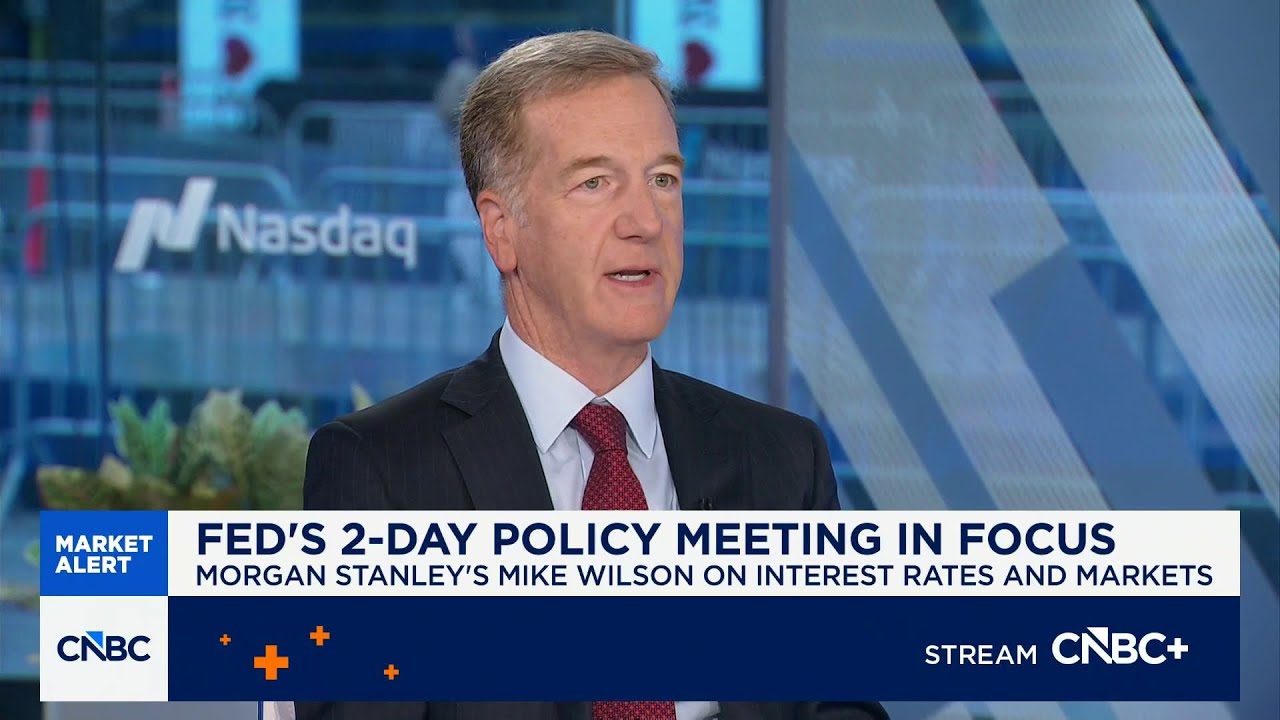
Ed Yardeni’s argument sounds contradictory at first: the Federal Reserve may need to raise its overnight policy rate in order to bring longer-term borrowing costs down. Yet the claim rests on a recognizable bond-market mechanism. If investors believe the central bank is tolerating persistent inflation, they may demand higher yields on two-year, ten-year, and thirty-year Treasury securities. A forceful policy response can sometimes reduce those longer-term yields by lowering expected inflation, reducing uncertainty about the future path of short-term rates, and rebuilding confidence that price stability will be restored.
That is the central dispute following the Federal Open Market Committee’s July 28–29, 2026 meeting. The Fed kept the federal funds target range at 3.50% to 3.75%, but the decision was unusually divided: Beth Hammack, Neel Kashkari, and Lorie Logan preferred a quarter-percentage-point increase. Chair Kevin Warsh delivered an emphatically anti-inflation message while declining to promise a hike at the next meeting. Long-dated Treasury yields rose, and Yardeni interpreted the move as a warning that words alone were no longer enough.
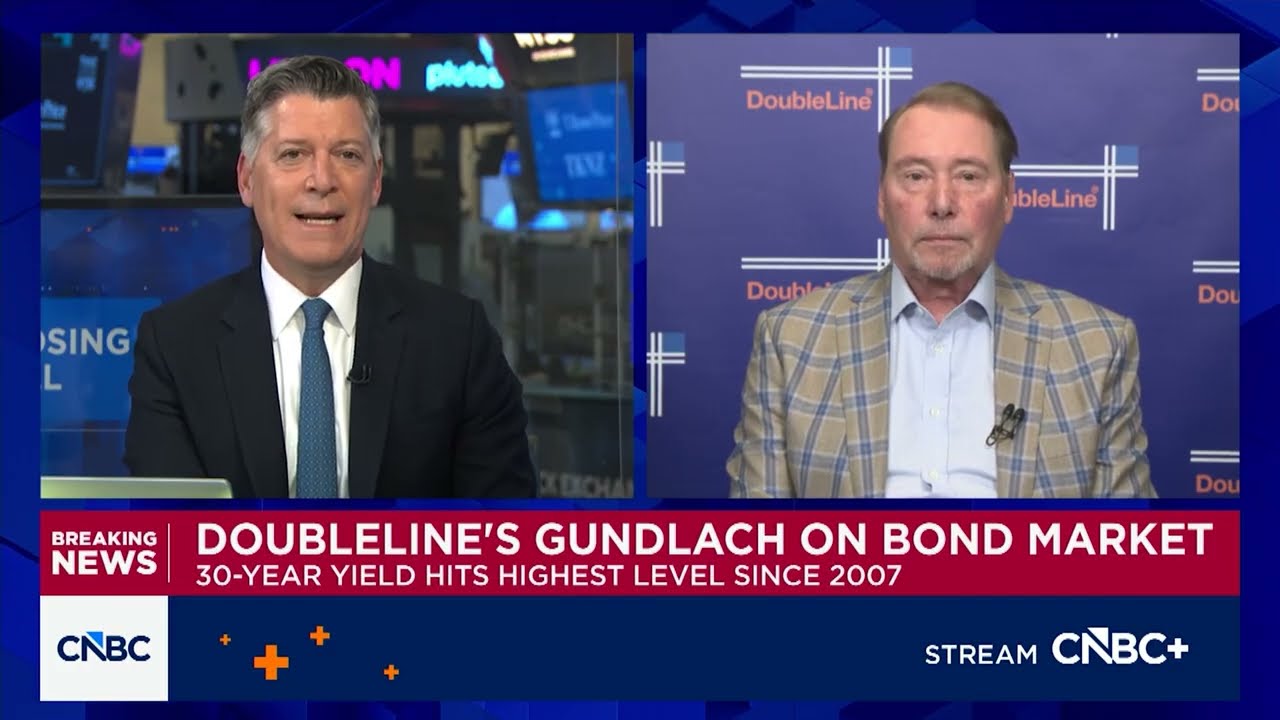
The market evidence is more complicated than a simple vote of no confidence. On July 30, the Treasury Department’s official closing data showed the two-year yield at 4.23%, the ten-year yield at 4.68%, and the thirty-year yield at 5.21%. The two-year yield had slipped from 4.26% on July 28, while the ten-year and thirty-year yields had climbed from 4.61% and 5.09%, respectively. That combination—a softer short end and a more expensive long end—was consistent with a curve steepening in which traders reduced near-term confidence in immediate tightening while demanding more compensation for longer-run inflation, growth, supply, and policy uncertainty.
Yardeni’s thesis is therefore plausible, but it is not automatic. A rate increase could lower long yields if it changes the market’s assessment of the entire inflation regime. It could also push long yields higher if investors interpret the move as evidence that inflation is worse than previously understood, if fiscal borrowing pressures remain dominant, or if real economic growth stays strong enough to support higher real interest rates. The important issue is not whether a hike mechanically lowers bond yields. It is whether a hike changes the expected future path of inflation, policy, and risk enough to outweigh its direct tightening effect.
Last updated: July 31, 2026, 3:32 a.m. EDT. Market figures use the latest official U.S. Treasury closing data available at the research cutoff.
Key Takeaways
- The Fed decision: The FOMC voted 9–3 on July 29 to keep the federal funds target range at 3.50% to 3.75%. Hammack, Kashkari, and Logan favored a 25-basis-point increase.
- Yardeni’s argument: The bond market may be demanding a more credible anti-inflation response. In his view, raising the short-term policy rate could reduce long-term yields by strengthening confidence in the Fed’s commitment to its 2% inflation target.
- The market reaction: Official Treasury data showed the ten-year yield rising from 4.61% on July 28 to 4.68% on July 30, while the thirty-year yield increased from 5.09% to 5.21%.
- The inflation picture: June inflation improved sharply on a monthly basis, but remained above the Fed’s objective. The PCE price index was up 3.7% from a year earlier, and core PCE was up 3.3%.
- The growth picture: Second-quarter real GDP grew at a 1.5% annual rate, but real final sales to private domestic purchasers rose 3.9%, suggesting firmer underlying private demand than the headline number implied.
- The central uncertainty: Long-term yields depend on expected short rates, inflation expectations, real growth, Treasury supply, and term premium. A Fed hike can influence those components, but cannot control all of them.
Fact Box
The July 2026 Fed Decision
- Federal funds target range: 3.50%–3.75%
- Vote: 9 in favor of holding, 3 in favor of a 25-basis-point increase
- Dissenters: Beth M. Hammack, Neel Kashkari, and Lorie K. Logan
- Interest paid on reserve balances: maintained at 3.65%
- Primary credit rate: maintained at 3.75%
Original source: Federal Reserve FOMC statement, July 29, 2026
What the Federal Reserve Actually Decided
The July meeting did not change the official policy rate. The FOMC retained a target range of 3.50% to 3.75%, continuing the level in place since the beginning of 2026. The accompanying statement described economic activity as expanding at a solid pace, highlighted strong productivity and capital investment, and said job gains had kept pace with growth in the workforce. It also acknowledged that inflation remained elevated relative to the Fed’s 2% objective.
The most important new information was the vote. A 9–3 split is not a routine show of unanimity. Three regional Federal Reserve Bank presidents—Hammack of Cleveland, Kashkari of Minneapolis, and Logan of Dallas—wanted to raise the target range by 25 basis points. Their dissents demonstrated that the case for immediate tightening was not confined to outside commentators. It had substantial support inside the policymaking committee.
At the same time, the majority did not describe its decision as a shift back toward easing. The Fed had already removed the easing bias from its postmeeting language in June. Minutes from that meeting showed that many participants thought the appropriate year-end policy rate would be at or below the current range, while many others thought it should be above the current range. That unusually broad division reflected a genuinely uncertain policy environment rather than a settled path toward cuts or hikes.
The July implementation note was equally important for understanding what did not change. The Fed maintained the rate paid on reserve balances at 3.65%, retained a 3.75% standing overnight repurchase rate, kept the overnight reverse-repurchase offering rate at 3.50%, and continued its ample-reserves operating framework. Those technical settings matter because the federal funds target range is not merely a public signal. The Fed implements it by controlling the rates available on reserve balances and standing facilities, thereby influencing overnight money-market conditions.
Warsh’s press conference placed the decision in a broader institutional context. He repeatedly emphasized that there was no unofficially higher inflation target and that the objective remained 2%. He argued that five years of above-target inflation could not be repaired in a matter of weeks. He also said the Fed wanted to receive an “unfiltered” message from financial markets, which helps explain the new leadership’s decision to use less forward guidance than investors had become accustomed to under Jerome Powell.
This communication strategy creates a difficult test. If the central bank says it wants markets to transmit independent information, it must be prepared to receive a message it does not like. Rising real and nominal yields can indicate that investors expect tighter policy, stronger growth, higher inflation, greater debt supply, or some combination of all four. A central bank cannot simply declare which interpretation is correct. It must compare market prices with economic data and decide whether financial conditions are doing enough tightening on their own.
That last point may help explain the majority’s decision. Long-term yields had already moved sharply higher before the meeting. The ten-year Treasury yield rose from 4.19% on the first trading day of 2026 to 4.61% on July 28. The thirty-year yield increased from 4.86% to 5.09% over the same period. Higher mortgage rates, corporate borrowing costs, discount rates, and government financing costs were already transmitting restraint through the economy. The majority may have judged that an immediate hike risked adding too much tightening before the effects of the bond selloff had been observed.
That interpretation is consistent with Warsh’s phrase “watchful thinking, not watchful waiting.” It suggests active evaluation rather than passivity. Yet it does not fully answer Yardeni’s objection. If the increase in long yields partly reflected distrust of the Fed’s inflation commitment, then relying on market-led tightening could become self-defeating. The longer the central bank waits, the more long-term borrowing costs might rise to compensate for the perceived delay.
Ed Yardeni’s Core Argument
Yardeni’s argument has three linked parts. First, inflation has remained above the Fed’s objective for an extended period, even as the economy has continued to expand. Second, bond investors may view the current policy rate as too low relative to the inflation and growth outlook. Third, a credible increase in the federal funds rate could lower the risk premium embedded in longer maturities by convincing investors that the Fed will not allow inflation to become entrenched.
This is not the conventional household understanding of interest rates. Consumers often hear that a Fed increase means “rates go up,” while a cut means “rates go down.” That shorthand is useful for explaining credit cards, home-equity lines, and some other products tied closely to short-term benchmarks. It is incomplete for Treasury notes, fixed-rate mortgages, investment-grade corporate bonds, and other instruments priced from expectations about many years of future conditions.
The federal funds rate is an overnight rate. A ten-year Treasury yield incorporates the expected path of overnight rates over a decade, plus compensation for uncertainty, inflation, liquidity conditions, and maturity risk. A thirty-year yield extends that horizon even further. Investors purchasing those securities care less about the next meeting in isolation than about the average policy, inflation, and real-growth environment over the life of the bond.
Yardeni’s use of “bond vigilantes” is part of a long-running framework he helped popularize. The phrase describes investors who sell government debt—or refuse to buy it except at higher yields—when they believe fiscal or monetary policy is becoming inflationary. The label is rhetorical, but the underlying mechanism is real: bond prices fall and yields rise when investors demand more compensation.
In the July 30 discussion, Yardeni argued that the Fed’s words had moved ahead of its actions. The June meeting had removed the prior easing bias and emphasized price stability. By July, he expected that policy shift to be followed by a rate increase. When the committee held instead, he interpreted the increase in long yields as a credibility penalty.
His later written commentary sharpened the claim. Yardeni Research said the Fed needed to “raise short-term rates to lower long-term rates,” while describing the post-meeting rise in the ten-year and thirty-year yields as evidence that investors wanted action rather than hawkish language. The firm also highlighted the decline in the market-implied probability of a September increase after Warsh’s press conference, interpreting that move as reduced conviction that the Fed would follow through.
There is an intuitive logic to this view. Suppose investors expect the Fed to tolerate 3% to 4% inflation for several years. They will demand higher nominal yields to protect their purchasing power. If a modest near-term hike persuades them that inflation will return to 2% sooner, the reduction in expected inflation and uncertainty could exceed the direct effect of a higher overnight rate. Long yields could fall even as the policy rate rises.
There is also a credibility channel. Monetary policy works partly through expectations. Businesses set prices and wages based on anticipated future conditions. Lenders set interest rates based on expected inflation and default risk. Investors choose between cash, short-term bills, longer bonds, equities, commodities, and foreign assets based partly on what they believe the central bank will do. A credible policy regime can reduce the extra compensation demanded for uncertainty.
Yardeni’s argument is strongest when the central bank is perceived as behind the curve but still capable of regaining control with a relatively small adjustment. In that setting, a limited hike can be interpreted as preventive rather than panicked. The action communicates that policymakers will not wait for inflation expectations to become unanchored.
It is weaker when the long-end selloff is driven primarily by forces the Fed cannot quickly reverse. If investors are worried about a sustained increase in Treasury issuance, geopolitical supply disruptions, structurally higher real growth, or a global shortage of long-duration buyers, a quarter-point hike may do little to lower long yields. It could even add volatility by signaling that the central bank sees more inflation danger than markets had assumed.
What the Treasury Yield Curve Was Saying
The shape and movement of the yield curve offer more information than any single rate. At the July meeting, the key pattern was a steepening between the short and long maturities. The two-year yield, which is especially sensitive to expected Fed policy, declined slightly across the immediate meeting window. The ten-year and thirty-year yields rose. That is consistent with a market that became somewhat less certain of near-term tightening while demanding more compensation farther into the future.
| Date | 2-Year Treasury | 10-Year Treasury | 30-Year Treasury | Context |
|---|---|---|---|---|
| January 2, 2026 | 3.47% | 4.19% | 4.86% | First trading day of 2026 |
| June 17, 2026 | 4.20% | 4.49% | 4.93% | Fed removed its prior easing bias |
| July 28, 2026 | 4.26% | 4.61% | 5.09% | First day of the July FOMC meeting |
| July 29, 2026 | 4.22% | 4.67% | 5.20% | Fed held rates; three officials dissented for a hike |
| July 30, 2026 | 4.23% | 4.68% | 5.21% | First full trading day after the decision |
Source: U.S. Department of the Treasury daily par yield curve data. Rates are official daily closing estimates derived from indicative market quotations at approximately 3:30 p.m. Eastern time.
The two-year yield’s relationship with the federal funds rate requires careful interpretation. It is tempting to subtract the current target midpoint from the two-year yield and translate the difference directly into a number of expected hikes. That is too simple. A two-year yield reflects the expected average of short-term rates over the security’s life, not just the expected peak. It also contains a term premium, liquidity effects, and uncertainty about how quickly rates might later fall.
At the July 30 close, the two-year yield of 4.23% was about 60.5 basis points above the 3.625% midpoint of the Fed’s target range. That gap signaled that the market expected policy to average above the current midpoint over much of the next two years. It did not prove that exactly two or three quarter-point increases were inevitable. The path could include one larger increase, several smaller increases, a delayed peak, or a later reversal.
The long end carried a different message. The thirty-year yield at 5.21% was nearly a full percentage point above the ten-year yield. Part of that spread reflected maturity risk and supply-demand conditions. Investors locking money away for three decades face greater exposure to inflation uncertainty, fiscal policy, changing global savings patterns, and the possibility that the neutral real interest rate is higher than previously believed.
The increase in real yields before the meeting was particularly important. Reuters reported that the thirty-year real yield had reached its highest level since 2008. Real yields strip out a market estimate of inflation compensation and therefore capture expected real rates plus a real term premium. A rise led by real yields can indicate that investors see stronger trend growth, heavier capital demand, higher future policy rates, more Treasury supply, or reduced demand for duration—not merely higher expected inflation.
This is one reason the phrase “bond market wants a hike” should be treated as an interpretation rather than a directly observable fact. Markets do not speak with one voice. A pension fund buying thirty-year bonds, a hedge fund trading futures, a bank managing liquidity, a foreign reserve manager, and an insurer matching long-term liabilities can all transact at the same yield for different reasons.
Nevertheless, the direction of the curve after the meeting supported Yardeni’s concern. If Warsh’s hawkish language had fully reassured investors, one might have expected longer yields to stabilize or decline. Instead, long yields rose while near-term hike odds reportedly receded. That combination was consistent with the view that the Fed’s rhetoric had not yet reduced long-run inflation and uncertainty premiums.
How Raising Short-Term Rates Can Lower Long-Term Rates
The apparent paradox becomes clearer when a long-term yield is separated into components. A simplified ten-year Treasury yield can be thought of as the expected average short-term interest rate over ten years plus a term premium. The expected short-rate path depends heavily on the inflation outlook, the economy’s productive capacity, and the Fed’s reaction function. The term premium compensates investors for uncertainty and duration risk.
1. The expected-policy-path channel
A near-term hike can lower the expected average policy rate over a longer horizon if investors believe it prevents a larger tightening cycle later. Consider two scenarios. In the first, the Fed delays action while inflation remains persistent. Markets may expect several future hikes followed by a prolonged period of restrictive policy. In the second, the Fed raises rates modestly now, slows demand, and prevents inflation expectations from drifting higher. The second path can contain a higher rate immediately but a lower average rate over the following decade.
This is the logic behind preventive tightening. Central banks often prefer to respond before inflation becomes embedded in wage contracts, price-setting behavior, and long-term expectations. Once those expectations move, a much larger economic slowdown may be required to restore stability. An early increase can therefore reduce the eventual cumulative amount of tightening.
2. The inflation-expectations channel
Nominal Treasury yields compensate investors for expected inflation. If a policy action causes expected inflation to fall, nominal long-term yields can decline even if real short-term rates rise. The size of the effect depends on whether the action is considered credible and proportionate.
The Fed’s 2% objective is defined using the annual change in the personal consumption expenditures price index, not the consumer price index. June 2026 PCE inflation remained 3.7% from a year earlier, with core PCE at 3.3%. A quarter-point hike would not erase that gap. Its potential value would be signaling that the Fed intends to prevent current inflation shocks from affecting future expectations and behavior.
3. The term-premium channel
Long-maturity investors demand extra compensation when the future policy regime is uncertain. A central bank that communicates clearly and reacts consistently can reduce this premium. A central bank that appears reluctant, politically constrained, or internally divided may increase it.
The July vote cut in both directions. Three dissents for a hike demonstrated that inflation vigilance existed inside the committee, which could reassure investors. The majority’s refusal to act, combined with Warsh’s reluctance to provide forward guidance, could also increase uncertainty about the timing and size of future moves. Whether the net effect is lower or higher term premium depends on how investors interpret the institution’s reaction function.
4. The growth-and-demand channel
Higher short-term rates can reduce demand for interest-sensitive goods and investments. Businesses may delay projects, households may borrow less, and asset prices may cool. If markets expect that restraint to slow nominal growth, longer yields can decline.
That mechanism takes time and is not guaranteed. The 2026 economy has shown an unusual combination of slower headline GDP growth and strong private demand. Artificial-intelligence-related capital spending, energy investment, and resilient consumer spending have reduced the economy’s sensitivity to conventional rate increases. If productivity gains lift the economy’s sustainable growth rate, real yields may remain high even as inflation falls.
5. The credibility shortcut
Credibility allows a central bank to achieve more with less. When the public believes policymakers will act, expectations adjust before all of the tightening occurs. A modest increase can have a larger effect on financial conditions than its mechanical size suggests. Conversely, when credibility is weak, even substantial rate increases may fail to lower long-term inflation expectations quickly.
Yardeni’s criticism is fundamentally about this shortcut. He is not claiming that the arithmetic of bond pricing requires long yields to fall after a hike. He is claiming that the Fed can reduce the amount of inflation and uncertainty compensation embedded in long bonds by proving that its 2% objective is operational rather than rhetorical.
Why a Rate Hike Might Fail to Lower Bond Yields
The strongest skeptical response is that long-term yields are not controlled by the Fed alone. A quarter-point move can influence expectations, but it cannot remove structural pressures from fiscal policy, capital demand, demographics, global reserve management, commodity supply, or geopolitical risk.
A hike could reveal worse inflation risk
Markets may interpret an unexpected hike as new information. If investors conclude that the Fed has discovered broader inflation pressure, they may raise both expected short rates and long-term yields. This is especially possible when the central bank has provided limited forward guidance. A surprise can be read not as confident prevention, but as evidence that policymakers are reacting late.
Fiscal supply can dominate the long end
The Treasury market must absorb ongoing federal borrowing and refinance maturing debt. When expected issuance rises, investors may require higher yields, particularly at longer maturities. The Fed can influence demand and inflation, but it cannot directly determine the federal deficit or the maturity composition of Treasury issuance.
Long yields can therefore remain high even under restrictive monetary policy. If debt supply rises while traditional buyers become more price-sensitive, the term premium may stay elevated. A Fed hike could lower inflation expectations and still fail to reduce the nominal ten-year or thirty-year yield because the supply premium increases at the same time.
Higher productivity can support higher real rates
Warsh repeatedly highlighted strong business investment and the artificial-intelligence capital-spending boom. The Fed’s July Monetary Policy Report said four-quarter growth in high-tech equipment and software connected with AI was running near 20%. Strong productivity and investment can increase the economy’s equilibrium real interest rate by raising expected returns on capital and demand for funds.
That is economically positive in many respects, but it complicates monetary policy. If the neutral real rate is higher, the same nominal federal funds rate is less restrictive than it would have been in a slower-growth economy. Long-term real yields may rise because investors expect stronger trend growth, not because they distrust the Fed.
Supply shocks do not respond cleanly to rate increases
Energy disruptions, tariffs, shipping constraints, and shortages of AI-related equipment can lift prices without reflecting excessive household demand. Higher rates cannot produce oil, reopen a shipping route, or manufacture more advanced memory chips. They can only reduce demand elsewhere in the economy to prevent those price increases from spreading.
That trade-off explains why some policymakers prefer to look through temporary supply shocks. Tightening aggressively against a one-time energy spike can unnecessarily weaken employment. The risk is that repeated shocks stop being temporary in the public’s mind and begin to influence wages, contracts, rents, and long-term inflation expectations.
Financial tightening was already substantial
The ten-year and thirty-year yields had risen materially before the July meeting. Mortgage rates were already above 6%, and corporate financing costs had increased. The majority may have judged that a hike would duplicate tightening already imposed by markets.
This is a reasonable counterargument to Yardeni. If long yields rise because markets anticipate tighter policy, the Fed can sometimes wait and allow that transmission to slow the economy. But the logic becomes circular if the rise is caused by fear that the Fed will not tighten. Policymakers must determine whether markets are doing the Fed’s work or charging the economy for the Fed’s hesitation.
The Inflation Evidence: Better Monthly Data, Persistent Annual Pressure
The July decision was made against an inflation picture that contained both relief and warning. The June consumer price index fell 0.4% on a seasonally adjusted monthly basis, the largest monthly decline in years. Core CPI, which excludes food and energy, was unchanged. Those readings were materially softer than the spring data.
The annual rates remained above target. Headline CPI was 3.5% higher than a year earlier, while core CPI was up 2.6%. Energy prices fell 5.7% in June but were still 15.7% above their year-earlier level. Gasoline dropped sharply during the month, illustrating how a volatile energy reversal can improve the headline figure without resolving the broader policy question.
The PCE data released after the Fed meeting offered a similar message. The PCE price index fell 0.1% in June, while core PCE increased 0.1%. From a year earlier, headline PCE inflation was 3.7% and core PCE inflation was 3.3%. The monthly figures were encouraging, but the annual rates remained well above the Fed’s 2% objective.
Inflation Snapshot
Latest U.S. Inflation Readings at the Research Cutoff
- June CPI: –0.4% month over month; +3.5% year over year
- June core CPI: 0.0% month over month; +2.6% year over year
- June PCE price index: –0.1% month over month; +3.7% year over year
- June core PCE: +0.1% month over month; +3.3% year over year
- Second-quarter core PCE inflation: +3.4% at a seasonally adjusted annual rate
Original sources: Bureau of Labor Statistics CPI release and Bureau of Economic Analysis PCE release
The distinction between monthly and annual inflation is crucial. A single soft month can meaningfully improve near-term momentum, but it does not prove that inflation has returned durably to target. Conversely, a high annual rate can partly reflect earlier shocks that are already fading. Policymakers must decide how much weight to place on the latest momentum versus the accumulated record.
Warsh said the Fed would not treat one month of lower prices as sufficient. That caution is understandable given the spring acceleration. The July Monetary Policy Report said total PCE prices had risen 4.1% in the twelve months through May, with core PCE up 3.4%. It attributed the increase to earlier tariffs, higher energy prices connected with Middle East supply constraints, and increased demand for high-tech products supporting AI applications.
The June data lowered those annual rates, but did not eliminate the underlying categories of risk. Tariff effects can arrive with lags as businesses work through inventories and renegotiate supplier contracts. Energy shocks can reverse quickly. AI investment can create bottlenecks in power, construction, memory, networking equipment, and specialized labor. The Fed must judge whether those pressures are isolated relative-price changes or the start of a broader inflation process.
A relative-price shock becomes a monetary-policy problem when it spreads. If higher energy and import prices lead workers to demand faster wage growth, businesses to preemptively raise margins, landlords to increase rents, and consumers to accelerate purchases, inflation can become more persistent. The Fed cannot prevent every first-round price increase, but it can influence the second-round response through demand and expectations.
The latest wage data were not clearly alarming. Average hourly earnings rose 0.3% in June and 3.5% from a year earlier. With consumer inflation also at 3.5% on the CPI measure, nominal wage growth was roughly matching that headline pace. Yet wage data are only one part of the services-inflation outlook, and productivity growth can allow stronger wages without equivalent price pressure.
For Yardeni, the annual inflation rates and resilient demand justify action. For the majority, the sharp June moderation may have justified waiting for confirmation. Both interpretations can be consistent with the same data because the disagreement concerns persistence and transmission, not merely the latest number.
Growth and Employment: Slower Headline GDP, Stronger Private Demand
The second-quarter GDP report complicated the case for both immediate tightening and continued patience. Real GDP increased at a 1.5% annual rate, down from 2.1% in the first quarter. On the surface, that slowdown argued against a rate increase. Yet the composition of growth was stronger than the headline.
Real final sales to private domestic purchasers—consumer spending plus private fixed investment—rose at a 3.9% annual rate. This measure excludes volatile changes in inventories, trade, and government spending. It is often used to assess underlying private demand. Consumer spending accelerated, and nonresidential fixed investment remained strong. Imports increased sharply, subtracting from headline GDP but also indicating robust domestic demand.
The distinction matters because monetary policy responds to demand pressure, not simply the headline GDP number. A weak headline caused by rising imports is different from a contraction caused by collapsing household spending and business investment. The second-quarter report described an economy that was growing more slowly in aggregate while maintaining substantial private-sector momentum.
Inflation within the GDP report also remained elevated. The PCE price index rose at a 5.1% annualized rate during the quarter, while core PCE rose 3.4%. These quarterly annualized figures should not be confused with year-over-year inflation, but they showed that price pressure during the quarter remained too strong for comfort.
The labor market was softer than during the post-pandemic boom, but not in recession. Nonfarm payrolls increased by 57,000 in June, and the unemployment rate held at 4.2%. Revisions reduced previously reported job gains for April and May. Labor-force participation fell to 61.5%, while long-term unemployment had risen over the year.
Those details gave the Fed reasons to be cautious. A rate hike affects employment with a lag. Payroll growth of 57,000 is not a large cushion if hiring slows further. Higher long-term yields were already restraining housing and financing-sensitive sectors. A premature increase could weaken labor demand just as inflation momentum was improving.
Yet the employment data did not present an obvious emergency. The unemployment rate was little changed, wage growth remained positive, and professional and business services, social assistance, and health care continued to add jobs. The labor market appeared to be cooling rather than breaking.
This balance is central to the July split. The three dissenters likely placed more weight on the inflation and private-demand evidence. The majority likely placed more weight on the lagged effect of tighter financial conditions, softer monthly inflation, and slower employment growth. Without the July meeting minutes, which were scheduled for later release, the precise reasoning of each participant remained incomplete at the research cutoff.
The Fed’s dual mandate does not require policymakers to choose permanently between inflation and employment. Price stability supports sustainable employment over time. Warsh argued that allowing variable, elevated inflation would ultimately damage the labor market by making planning and investment more difficult. The question is one of timing and proportionality: how much near-term labor-market risk should the Fed accept to reduce the chance of longer-run inflation persistence?
Warsh’s Communication Strategy and the Credibility Test
Kevin Warsh took office as Fed chair in May 2026 and quickly changed the institution’s communication style. The Powell Fed generally tried to prepare markets for major decisions, using speeches, projections, and carefully calibrated language to reduce surprise. Warsh has moved toward shorter statements, less explicit forward guidance, and greater emphasis on market prices as independent information.
The strategy has a defensible objective. When every market move is interpreted through anticipated Fed communication, prices can become less informative about the economy itself. Investors may trade the “referee” rather than the underlying “ball.” By reducing guidance, the Fed can observe how buyers and sellers price growth, inflation, currency risk, and debt supply without constant policy signaling.
But a quieter Fed does not eliminate communication. Silence is interpreted. Ambiguity can increase volatility. If investors are uncertain about the reaction function—the way policymakers respond to inflation and employment data—they may demand a larger term premium. Less guidance can therefore produce more independent price discovery and higher risk compensation at the same time.
Warsh’s July press conference attempted to draw a line between listening to markets and following them. He said the Fed wanted an unfiltered signal but would not be constrained by market pricing. That distinction is necessary for independence. The FOMC cannot outsource policy to futures markets, because those markets themselves are trying to predict the FOMC.
The difficulty is operational. If the two-year yield rises well above the policy rate, should the Fed infer that investors expect higher inflation, a higher neutral rate, or a coming policy increase? If the thirty-year yield rises while the two-year falls, should it view the steepening as a fiscal warning, an inflation warning, or a credibility warning? Market signals are informative precisely because they aggregate many views, but that aggregation does not label the cause.
Yardeni’s “credibility test” framing sets a demanding standard. It assumes that a central bank must follow hawkish language with action relatively quickly. That may be appropriate when inflation is persistent and the economy is resilient. It may be too rigid when incoming data improve or when market tightening has already become substantial.
Credibility also has more than one dimension. Inflation-fighting credibility requires the public to believe the Fed will protect price stability. Procedural credibility requires decisions to be based on evidence rather than political pressure or market demands. Employment credibility requires attention to the full dual mandate. A hike delivered solely to validate a prior tone could weaken credibility if the economic evidence did not support it.
The 9–3 vote showed that the FOMC was not concealing disagreement. That transparency can be healthy. It demonstrated that the committee was considering a genuine range of options. It also raised the stakes for September: if inflation and demand remain firm, the dissenters’ case may gain support. If inflation continues to cool and hiring weakens, the majority’s patience may look justified.
Correcting the 2024 Historical Comparison
Yardeni referred to the Fed’s 2024 easing cycle as an example of lower short-term rates coinciding with higher long-term yields. The broad market point is important. The exact description in the televised exchange, however, requires correction.
The Federal Reserve did not cut rates four times by 25 basis points in 2024. It reduced the target range by a cumulative 100 basis points across three meetings: a 50-basis-point cut on September 18, followed by 25-basis-point cuts on November 7 and December 18. The Fed’s own annual report confirms that sequence.
This factual correction does not invalidate the broader observation. The ten-year Treasury yield was near 3.6% shortly before the September 2024 decision and ended the year around 4.4%. Long yields rose while the policy rate fell by one percentage point. The episode demonstrated that Fed cuts do not mechanically reduce long-term borrowing costs.
Several forces contributed. The initial 50-basis-point cut was larger than many forecasters had expected earlier in the pre-meeting period. Economic data remained resilient. Markets revised expectations for future growth, inflation, and the pace of additional easing. Fiscal and election-related uncertainty also affected the term premium. By December, the Fed was signaling a slower path of cuts.
That episode supports Yardeni’s conceptual framework: if markets believe easing is unnecessary or inflationary, long yields can rise in response. It does not prove that the 2026 situation is identical. In 2024, the Fed was beginning to reduce a policy rate above 5%. In July 2026, the target range was already 3.50% to 3.75%, inflation had reaccelerated during the spring, and long yields were near multi-decade highs.
The starting point matters. A 50-basis-point cut from a highly restrictive level can coexist with rising long yields if markets still expect policy to remain relatively tight. A 25-basis-point hike from a lower level can coexist with falling long yields if it changes the expected inflation regime. The direction of the first move tells only part of the story.
The comparison also highlights why event causality should be stated carefully. A long-term yield can rise after a Fed action without the action being the only cause. Economic data, fiscal news, commodity prices, foreign central-bank policy, dealer positioning, and risk appetite move simultaneously. The most responsible conclusion is that the 2024 easing cycle did not deliver lower long yields, not that the cuts alone caused every basis point of the increase.
Inflation Expectations, Real Yields, and the Term Premium
Three concepts help separate the competing interpretations of the 2026 bond selloff: inflation expectations, real yields, and the term premium.
Inflation expectations
Market-based inflation compensation is often estimated by comparing nominal Treasury yields with Treasury Inflation-Protected Securities of similar maturity. The difference is commonly called the breakeven inflation rate. It is not a pure forecast. It includes inflation risk, liquidity differences, and technical market effects.
If nominal yields rise while real yields are stable, higher inflation compensation may be an important driver. If real yields rise more than breakevens, markets may be pricing stronger real growth, tighter expected policy, or a higher real term premium. Reuters reported that real yields led much of the late-July move, which complicated the claim that inflation fear alone was responsible.
Real yields
Real yields represent the return investors demand after expected inflation. They are influenced by expected economic growth, the supply and demand for savings, productivity, fiscal borrowing, and monetary policy. Strong AI investment can raise real yields by increasing demand for capital. Large government deficits can do the same by competing for available savings.
A central bank can reduce inflation and still face high real yields. That outcome would mean financial conditions remain tight even as price stability improves. It would also mean that borrowers should not assume a return to the exceptionally low long-term rates of the 2010s.
Term premium
The term premium is the extra return investors require for holding a long-duration bond instead of repeatedly rolling over short-term securities. It can be positive or negative and is not directly observable. Researchers estimate it using models, and different models can produce different values.
Term premium tends to rise when uncertainty about inflation, policy, or debt supply increases. It can fall when central-bank credibility is high, inflation is stable, and long-duration demand is strong. Yardeni’s argument is partly a term-premium argument: decisive Fed action could reduce the uncertainty premium embedded in long bonds.
Yet the fiscal component matters. If investors expect larger future Treasury auctions, they may demand a higher premium regardless of the Fed’s credibility. The central bank can improve one component while another worsens. This is why a quarter-point hike should be evaluated by the change in the whole curve and inflation expectations, not by whether the ten-year yield falls on the announcement day.
AI Investment: Growth Engine and Inflation Complication
The artificial-intelligence investment boom played an unusually prominent role in Warsh’s explanation of the economy. Data-center construction, semiconductors, networking equipment, software, electricity generation, transmission, cooling systems, and specialized labor have created a broad capital-spending cycle. That investment supports productivity and potential growth, but it also strains near-term capacity.
The inflation effect is not straightforward. Productivity-enhancing technology is disinflationary over time if it allows the economy to produce more with the same labor and capital. During the buildout, however, demand for scarce equipment and infrastructure can raise prices. The transition can therefore produce short-term inflation pressure and long-term supply benefits.
This matters for the neutral interest rate. An economy with stronger expected productivity and investment opportunities may support a higher equilibrium real rate than an economy with weak capital demand. If the neutral rate has risen, a federal funds range of 3.50% to 3.75% may be less restrictive than historical comparisons suggest.
At the same time, policymakers should avoid treating every investment boom as proof of permanently higher productivity. Capital spending can overshoot. Data centers may be built faster than profitable applications emerge. Electricity constraints, depreciation, financing costs, and competitive pressure can reduce returns. Monetary policy must respond to realized economic effects rather than promotional claims.
For bond investors, AI creates opposing forces. Faster productivity can lower unit labor costs and improve the inflation outlook, supporting lower inflation compensation. Strong capital demand and higher expected real growth can lift real yields. The net effect can be lower inflation with persistently high nominal long-term rates.
This possibility weakens any expectation that successful Fed tightening must restore the yield levels of the previous decade. The central bank’s objective is price stability and maximum employment, not a particular ten-year Treasury yield. If the economy can sustain stronger real growth, higher real rates may be appropriate even after inflation normalizes.
Energy, Tariffs, and Repeated Supply Shocks
Energy and trade policy were the other major inflation channels in 2026. The Fed’s Monetary Policy Report linked the spring inflation increase to oil-supply constraints connected with conflict in the Middle East and to earlier tariff increases that raised prices for some imported goods. These are classic supply-side pressures.
A central bank faces a difficult choice when supply shocks occur. Raising rates cannot reverse the initial increase in oil or import prices. It reduces demand elsewhere, which can prevent the shock from spreading but may also weaken output. Looking through the shock protects employment in the short run but risks allowing expectations to drift if shocks recur.
Repeated shocks are more dangerous than a single event. Households do not experience inflation as an economic decomposition. They see gasoline, food, insurance, rent, travel, and utilities. If one category falls while another surges, the overall perception of unstable prices can persist. Businesses may respond by changing prices more frequently and protecting margins preemptively.
The June decline in gasoline prices produced a substantial improvement in headline CPI and PCE. That improvement was real and relevant. It also showed how quickly the data could reverse if geopolitical conditions changed again. A policy framework based entirely on the latest energy move would be unstable.
Tariffs have a different timing pattern. Importers may initially absorb part of the cost, use existing inventories, or negotiate with suppliers. Price effects can appear over several months. Some tariffs produce one-time level increases; others alter supply chains and competition in ways that create more persistent effects. The Fed must determine whether the shock changes inflation’s trend or only its level.
Yardeni’s preference for a hike can be understood as insurance against second-round effects. The counterargument is that the June data showed those effects were not broadening enough to justify immediate action. The next several inflation reports would be critical in deciding which interpretation was correct.
Fiscal Policy and Treasury Supply
Long-term Treasury yields are also the price at which the federal government finances itself. Monetary policy cannot be analyzed in isolation from the quantity and maturity of debt that investors must absorb.
When deficits remain large during an expanding economy, Treasury issuance can add upward pressure to yields. Investors may require more compensation to hold duration, particularly when inflation is above target and the central bank is reducing forward guidance. Foreign official buyers, banks, pensions, insurers, mutual funds, households, and leveraged investors all have different demand sensitivities.
Fiscal concerns are not a complete explanation for every move. The Treasury market is global, deep, and highly liquid. Demand can rise when yields become attractive. Stronger growth can improve the government’s revenue base even as it raises real rates. The maturity mix of issuance can shift pressure between bills and long bonds.
Still, fiscal supply limits the Fed’s ability to engineer lower long rates through a small policy move. If the term premium is rising because investors expect greater long-duration issuance, a quarter-point hike may not reverse it. The Fed could tighten enough to slow nominal growth and reduce inflation, but that would not immediately reduce the stock of debt or near-term financing needs.
This distinction is important for evaluating credibility. A high thirty-year yield is not automatically a verdict on monetary policy. It can also be a price for fiscal uncertainty. The central bank should not overreact to a signal generated by responsibilities outside its mandate. Nor can it ignore the way fiscal policy changes the transmission of its decisions.
What Higher Treasury Yields Mean for Households
The debate is not confined to trading desks. Treasury yields influence borrowing costs throughout the economy, although the relationship differs by product.
Mortgages
Thirty-year fixed mortgage rates are more closely connected to longer-term Treasury yields and mortgage-backed securities spreads than to the overnight federal funds rate. Freddie Mac reported the average thirty-year fixed mortgage rate at 6.55% in mid-July 2026, before the latest rise in long Treasury yields was fully reflected.
A Fed hold does not guarantee mortgage relief. If long yields rise because investors fear inflation or debt supply, mortgage rates can increase even without a policy-rate change. Conversely, a Fed hike that lowers long yields and mortgage spreads could eventually reduce fixed mortgage rates. That is the practical version of Yardeni’s paradox.
The transmission is not one-for-one. Mortgage rates include prepayment risk, credit and servicing costs, market liquidity, and the spread demanded by mortgage-backed securities investors. A ten-year Treasury decline can be offset by wider mortgage spreads.
Credit cards and variable-rate loans
Credit-card annual percentage rates and many home-equity lines are tied more directly to the prime rate, which normally moves with the federal funds target. A Fed hike would likely raise those costs relatively quickly. Even if long-term yields later declined, revolving borrowers could face higher near-term interest expense.
Auto loans and personal loans
These products reflect a mix of short-term benchmarks, lender funding costs, credit risk, and competition. Higher policy rates tend to increase costs, but changes in Treasury yields and credit spreads also matter. Borrowers with weaker credit are especially exposed to changes in risk premiums.
Savings
Higher short-term rates can benefit savers through money-market funds, Treasury bills, and competitive deposit accounts. Banks do not always pass through the full increase to ordinary savings accounts, so the effect varies by institution and product.
Housing affordability
Housing affordability depends on more than the mortgage rate. Home prices, insurance, property taxes, maintenance, and income growth all matter. Persistently high long-term yields can keep monthly payments elevated even if the Fed stops hiking. A credible disinflation process that lowers mortgage rates may support transaction activity, but it can also sustain home prices by improving purchasing power.
For households, the policy trade-off is therefore uneven. A preventive hike can raise variable borrowing costs immediately while potentially reducing fixed long-term rates later. Whether the average household benefits depends on its debt structure, savings, income, and exposure to inflation.
What Higher Yields Mean for Businesses and Markets
Businesses finance themselves across the curve. Some rely on floating-rate bank loans or private credit. Others issue fixed-rate bonds with maturities of five, ten, or thirty years. The distinction determines whether a higher policy rate or higher long yield matters more.
Corporate borrowing
Investment-grade bond yields generally combine a Treasury benchmark with a credit spread. A Fed hike could lower the Treasury component if it improves credibility, but spreads might widen if tighter policy raises recession or default risk. The all-in corporate yield could therefore rise, fall, or remain unchanged.
Highly leveraged companies are more exposed. Firms with near-term maturities must refinance at current rates. Floating-rate borrowers feel policy changes quickly. Companies with long-dated fixed-rate debt are insulated until they need new financing.
Equity valuations
Higher long-term real yields increase the discount rate applied to future corporate cash flows. That pressure is especially relevant for companies whose expected profits lie far in the future. Stronger productivity and earnings can offset the valuation effect, which is why technology shares can rise even during periods of high yields if profit expectations improve enough.
The stock market’s rebound on July 30 illustrated the point. Strong corporate earnings, particularly in technology, outweighed some of the continuing rate concern. A market can price higher bond yields and higher equity prices simultaneously when expected cash flows rise.
Banks
A steeper yield curve can improve the economics of borrowing short and lending long, but the benefit is not automatic. Banks face deposit competition, mark-to-market changes in securities portfolios, credit risk, and regulatory capital constraints. Rapid yield increases can create unrealized losses and liquidity pressure even if future lending margins improve.
Commercial real estate
Higher long-term yields raise capitalization rates and refinancing costs. Properties financed during the low-rate era may struggle to refinance without additional equity. A Fed hike that successfully lowered long yields could help, but weaker economic activity could reduce rents and occupancy. The net effect would vary by property type and local market.
The dollar and global markets
Higher U.S. short-term rates can support the dollar by increasing returns on dollar assets. A stronger dollar can reduce import-price pressure in the United States while tightening financial conditions abroad. If long U.S. yields rise because of fiscal or inflation concerns, the currency response can be less predictable.
Foreign borrowers with dollar debt are affected by both U.S. rates and exchange rates. A credibility-restoring hike could lower global long yields if it reduces inflation risk, but it could also trigger capital outflows from emerging markets. The international transmission is one reason Fed decisions cannot be judged solely by domestic bond prices.
Could the Bond Market Already Be Doing the Fed’s Work?
This was one of the strongest arguments for holding in July. Financial conditions had tightened before the FOMC acted. The two-year, ten-year, and thirty-year Treasury yields were all substantially above their January levels. Mortgage rates remained high. The dollar and credit conditions transmitted additional restraint.
If market rates rise because investors correctly anticipate future Fed action, an immediate policy move may be unnecessary. Expectations have already tightened conditions. Central banks often influence the economy through guidance and anticipated policy rather than only through the current overnight rate.
The difficulty is identifying why market rates rose. If investors expect future hikes, then the selloff is doing the Fed’s work. If investors expect persistent inflation because the Fed will not hike, the selloff reflects a credibility problem. The same higher ten-year yield can arise from opposite beliefs.
The curve’s post-meeting steepening favored the credibility interpretation at the margin. Near-term expectations softened while long yields rose. Yet a single two-day move is not decisive. Positioning, quarter-end flows, economic releases, energy prices, and corporate earnings can all influence rates.
A more reliable test would examine several indicators over time: market-implied policy expectations, breakeven inflation, real yields, term-premium estimates, survey-based expectations, the dollar, credit spreads, and the response to incoming inflation data. If long yields remain high while inflation expectations rise and near-term hike odds fall, Yardeni’s warning would gain force. If real yields remain high because growth is strong while inflation expectations stabilize, the interpretation would be different.
What Would Make a September Rate Hike More Likely?
The July decision left the next move open. The most relevant evidence before the September meeting would include inflation, employment, consumer spending, business investment, energy prices, and financial conditions.
Persistent core inflation
Several months of core PCE increases inconsistent with a 2% annual trend would strengthen the case for a hike. The Fed would look beyond one monthly number to three- and six-month annualized rates, category breadth, revisions, and the balance between goods and services.
Stable employment with strong demand
If payroll growth remained positive, unemployment stayed near 4.2%, and private domestic demand continued to grow near the second quarter’s 3.9% pace, policymakers would have more room to tighten without fearing an imminent recession.
Rising inflation expectations
A sustained increase in market- or survey-based expectations would be especially concerning. The Fed’s strategy explicitly emphasizes keeping long-run expectations anchored at 2%. A drift higher would make preventive action more likely.
Continued curve steepening
If long yields rose while near-term policy expectations fell, officials might become more receptive to the claim that markets doubted the Fed’s follow-through. Even then, the FOMC would need to separate monetary credibility from fiscal supply and real-growth effects.
Renewed energy or tariff pressure
Another energy surge or broader pass-through from tariffs could increase the risk of second-round inflation. The Fed might still look through the initial shock, but repeated shocks would raise the cost of patience.
Additional internal support
Three dissents established a sizable pro-hike bloc. If one or two additional participants moved toward tightening, the committee could deliver a September increase without an unusually fractured vote. Speeches before the communications blackout would help indicate whether that support was growing.
What Would Support Another Hold?
A continued hold would be easier to justify if inflation momentum slowed, hiring weakened, and long yields remained high enough to restrain activity.
Several additional soft core-inflation readings would show that the spring acceleration was fading. A rise in unemployment or further downward payroll revisions would increase concern about the labor side of the mandate. Slower consumer spending and business investment would suggest that prior tightening was working.
Financial stability would also matter. Rapid long-yield increases can pressure leveraged investors, banks, real estate, and Treasury-market liquidity. The Fed would not necessarily cut rates in response, but it might avoid adding a policy shock while markets adjusted.
The majority could also conclude that the long end was reacting mainly to fiscal supply or stronger productivity, neither of which required an immediate monetary response. The Fed’s job is not to force the thirty-year yield to a preferred level. It is to achieve price stability and maximum employment.
Four Plausible Policy and Market Scenarios
Scenario 1: The Fed hikes and long yields fall
This is Yardeni’s preferred mechanism. A 25-basis-point increase convinces investors that the Fed will prevent inflation persistence. Near-term rates rise, but breakeven inflation and the term premium decline. The curve flattens, ten-year and thirty-year yields fall, and mortgage rates may ease if mortgage spreads remain stable.
This outcome would be most likely if the hike were viewed as preventive, inflation expectations were beginning to drift, and fiscal supply concerns were contained. The Fed would need to explain that the action reduced the need for a larger future cycle.
Scenario 2: The Fed hikes and the entire curve rises
Markets interpret the hike as evidence that inflation is worse than expected or that the neutral rate is higher. The two-year yield rises sharply, and long yields also increase. Financial conditions tighten broadly. This outcome would challenge the idea that one hike could buy credibility cheaply.
Scenario 3: The Fed holds and long yields stabilize
Incoming inflation data continue to improve, energy prices ease, and private demand cools. Investors conclude that the Fed’s patience was justified. Near-term hike expectations decline, while long yields fall because inflation risk recedes. This would validate the majority’s July approach.
Scenario 4: The Fed holds and long yields continue rising
Inflation remains above target, the economy stays resilient, and markets increasingly doubt that the Fed will act. The curve steepens further, mortgage and corporate borrowing costs rise, and the central bank is eventually forced to tighten into more volatile conditions. This is the risk Yardeni emphasized.
No scenario should be treated as a forecast. The purpose of scenario analysis is to identify which evidence would confirm or weaken each interpretation.
Why the Two-Year Treasury Is Not a Literal Rate-Hike Counter
Yardeni’s shorthand that the two-year Treasury was calling for several rate increases captures the direction of the market’s message, but it should not be interpreted as a mechanical forecast. A two-year yield is not a ballot showing how many quarter-point moves investors expect. It is a market price that blends the expected path of short-term rates over roughly the next two years with compensation for uncertainty, liquidity, and the risk that the realized path differs from today’s consensus.
The distinction matters because the federal funds target is an overnight rate, while a two-year note locks in a return across hundreds of future trading days. Its yield therefore reflects an average of expected overnight rates over the life of the security, not simply the level expected at the next Federal Open Market Committee meeting. A market can price one immediate hike, a period of unchanged policy, and cuts late in the horizon and still produce the same two-year yield as a path involving no immediate hike but several later increases. The headline yield alone cannot reveal the exact sequence.
Consider a simplified illustration. Suppose investors expect the policy rate to remain near its present level for six months, rise modestly for the following year, and decline during the final six months as inflation slows. That path could produce an average expected rate similar to a scenario in which the Fed raises promptly and is then able to reverse part of the move earlier. The two-year yield might look nearly identical even though the policy narratives are different. Futures contracts, overnight-index swaps, and the shape of the curve provide more granular information, but they also contain risk premiums and can change rapidly as data arrive.
This is why translating a yield gap directly into “three hikes” can overstate precision. The market may be demanding a higher average policy rate, but it may also be demanding more compensation for uncertainty. Those are not the same thing. If the extra yield primarily reflects a belief that inflation will remain above target, a stronger policy response could lower the two-year yield by reducing the amount of tightening expected later. If it primarily reflects a higher estimate of the economy’s neutral interest rate, one quarter-point increase may do little. And if it reflects fiscal or supply risk, the Fed may not be able to remove it through the policy rate at all.
The location of the two-year yield relative to the federal funds target range also requires care. Market participants often compare the yield with the midpoint of the target range, but actual overnight rates trade within that range and are influenced by the Federal Reserve’s administered rates. A few basis points of difference can result from technical factors rather than a meaningful policy signal. In addition, the yield observed during the trading day can move with incoming economic releases, Treasury auctions, geopolitical developments, or changes in global demand for safe assets.
A more useful interpretation is that the front end of the curve was challenging the Fed’s narrative. After policymakers held the target range at 3.50% to 3.75%, the two-year yield near 4.2% indicated that investors did not expect the current setting to remain sufficient indefinitely. The market was assigning meaningful probability to a higher average short-rate path. That supports the essence of Yardeni’s argument without converting the yield into a falsely exact number of moves.
The slope between two-year and ten-year yields adds another layer. When the ten-year rises more than the two-year, the market may be expressing concern about inflation persistence, fiscal supply, or the term premium rather than simply forecasting Fed hikes. When the two-year rises more sharply, the repricing is more likely concentrated in near-term monetary policy. The July 2026 move involved pressure across the curve, with the longest maturities particularly weak. That pattern is one reason the debate cannot be reduced to the next FOMC decision.
Investors should also distinguish a market-implied path from a recommendation. Prices show the balance of positions and risk compensation among market participants; they do not constitute a collective policy prescription. A two-year yield above the policy rate may mean that traders expect the Fed to raise rates, not that they believe a hike would maximize employment and price stability. The market’s forecast can be wrong, and it frequently changes as inflation, employment, and growth data are revised.
For the Fed, the curve is information rather than instruction. Warsh’s statement that policymakers listen to markets without being bound by them is consistent with that principle. Ignoring a persistent signal would be unwise, particularly when it appears across nominal yields, real yields, inflation compensation, and surveys. Treating one market price as a mandate would be equally unwise. The task is to diagnose why the price moved.
That diagnosis determines whether Yardeni’s proposed remedy fits the problem. If the front end is pricing delayed inflation control, a prompt hike can potentially reduce later expectations. If the long end is repricing fiscal deficits or a structurally higher real rate, the same move could raise short borrowing costs without delivering the desired decline in mortgage and corporate yields. The two-year note is therefore evidence for the debate, not a complete answer to it.
Historical Tests of the “Raise Rates to Lower Rates” Thesis
The idea that tighter monetary policy can eventually reduce long-term yields is not new. It follows from the basic role of a credible central bank: accepting some near-term restraint can reduce the inflation premium embedded in long-dated bonds. History, however, shows that the result depends on the source of the yield increase, the inflation regime, the timing of the action, and the public’s confidence that policy will remain restrictive long enough to work.
The Volcker lesson: credibility can lower the inflation component
The strongest historical support comes from the disinflation campaign associated with Federal Reserve Chair Paul Volcker. Policy tightening in the late 1970s and early 1980s initially pushed short-term rates to extraordinary levels and contributed to severe recessions. Long-term yields did not immediately collapse. Inflation expectations had become deeply embedded, and investors needed evidence that the Fed would persist despite economic and political pain.
Once inflation was brought down and confidence in the regime improved, nominal long-term yields entered a prolonged decline. That episode supports the credibility mechanism but also warns against oversimplification. The decline was not produced by one symbolic rate increase. It followed sustained restraint, falling realized inflation, institutional commitment, and a costly adjustment in the real economy. Invoking Volcker as proof that any hike lowers the ten-year yield strips away the conditions that made the eventual outcome possible.
The relevant lesson for 2026 is narrower. When inflation expectations are at risk of drifting higher, decisive action can prevent a larger adjustment later. But the present economy is not the economy of 1980. Inflation is lower, financial markets are deeper, debt burdens are larger, and the Fed operates through a different framework. A modest hike today would be a credibility signal, not a replay of the Volcker shock.
1994: successful tightening can still punish bondholders
The 1994 tightening cycle illustrates why even preemptive action can raise long yields before it lowers them. The Fed increased rates rapidly as the economy strengthened, surprising investors who had become accustomed to low short-term rates. Bond prices fell sharply, leveraged positions unwound, and financial institutions and municipalities faced losses. The episode is often remembered as a bond-market rout, even though inflation remained comparatively contained and the expansion continued.
For Yardeni’s thesis, 1994 offers mixed evidence. The Fed’s willingness to tighten may have helped preserve credibility and limit a later inflation problem. Yet the immediate effect was not a painless decline in long-term borrowing costs. Markets first had to reprice the entire expected rate path. If investors in 2026 have underestimated how high policy must go, an initial hike could produce a similar upward reset rather than relief.
The sequencing is crucial. “Raise rates to lower rates” describes a possible medium-term equilibrium, not necessarily the first market response. The announcement can lift short and intermediate yields as traders price additional moves. Only after the policy path is viewed as sufficient—and after inflation evidence improves—might longer yields decline.
The 2004–2006 conundrum: long yields can resist the Fed
During the mid-2000s, the Federal Reserve raised its policy rate repeatedly, yet long-term Treasury yields moved far less than many officials expected. Then-Chair Alan Greenspan described the behavior as a conundrum. Strong global demand for U.S. bonds, subdued inflation expectations, foreign reserve accumulation, and other structural forces helped keep the long end contained.
This episode demonstrates the opposite side of Yardeni’s argument: the Fed can raise short rates without raising long rates proportionately. That is the desired direction if the goal is to restrain demand while avoiding a surge in mortgages and corporate financing costs. But it also shows that the connection between the policy rate and the long end is unstable. Global savings, regulation, pension demand, and cross-border capital flows can dominate domestic policy signals.
The mid-2000s also offer a caution. Low long-term yields helped sustain easy financial conditions in housing even as the Fed tightened. A curve response that looks favorable for bond prices is not automatically favorable for macroeconomic stability. If long borrowing costs fall too soon, they can offset the intended restraint. The central bank must judge the whole package of financial conditions, not celebrate a lower ten-year yield in isolation.
2018 and 2019: restrictive policy can create its own reversal
The tightening that culminated in 2018 shows how markets can begin pricing cuts while the policy rate is still high. Concerns about global growth, trade tensions, and restrictive financial conditions eventually led the Fed to reverse course in 2019. Long yields fell as investors anticipated weaker growth and easier policy.
That decline would satisfy the narrow arithmetic of higher short rates followed by lower long rates, but not necessarily the spirit of Yardeni’s claim. Yields can fall because credibility improves, or because the market fears recession. Those channels have very different implications for employment, earnings, and credit risk. A successful policy reset should reduce inflation compensation and uncertainty without producing a collapse in expected growth.
This distinction is essential when evaluating the aftermath of any 2026 hike. A lower ten-year yield accompanied by stable equity credit spreads, resilient employment expectations, and moderating inflation would be consistent with a soft-landing credibility gain. A lower ten-year yield accompanied by wider corporate spreads, falling cyclical stocks, and deteriorating labor data would look more like a growth scare.
2024: cuts and rising yields are possible at the same time
The 2024 episode is the most direct precedent discussed by Yardeni. The Fed reduced its target range by a cumulative 100 basis points over three meetings, beginning with a half-point move in September and followed by quarter-point reductions in November and December. Longer Treasury yields rose over part of that period as markets reassessed growth, inflation, fiscal policy, and the likely endpoint of easing.
That experience demonstrates that an official rate cut does not guarantee lower market rates. Mortgage rates and long-term corporate borrowing costs depend heavily on Treasury yields, term premiums, and credit spreads. If easing convinces investors that inflation will remain higher or that policy will need to reverse later, the long end can rise even while the overnight rate falls.
It does not prove that the cuts caused the entire increase. The period also included strong economic data, changing expectations for fiscal policy, heavy Treasury issuance, and shifts in term-premium estimates. Monetary policy was one input in a broader repricing. The correct conclusion is that the sign of the short-rate move does not determine the sign of the long-rate move.
What the historical record actually supports
Across these episodes, four conclusions stand out.
- Credibility works with a lag: Long yields often decline only after investors see evidence that inflation is slowing and policy will remain sufficiently restrictive.
- The first move can go the other way: A hike may initially lift yields by revealing a higher expected policy path.
- The reason for lower yields matters: Falling inflation compensation is constructive; collapsing growth expectations may not be.
- Non-monetary forces remain powerful: Fiscal supply, global capital flows, productivity, demographics, regulation, and risk appetite can overwhelm the policy signal.
Yardeni’s proposition is therefore economically plausible but conditional. It is strongest when inflation credibility is the main problem, the required hike is modest, and the action reduces expectations for a longer cycle. It is weakest when yields are being driven by structural real-rate or fiscal forces that the Fed cannot neutralize with an overnight rate.
Policy Alternatives to an Immediate Rate Hike
The July debate is sometimes framed as a binary choice between hiking and doing nothing. The Federal Reserve has a broader set of options, although none offers a costless substitute for a clear policy decision. The appropriate choice depends on whether officials believe the inflation problem is primarily one of current demand, temporary supply pressure, expectations, or communication.
Hold the rate but make the reaction function explicit
The first alternative is a conditional hold. Policymakers could leave the target range unchanged while specifying the evidence that would trigger a hike. That might include renewed acceleration in core inflation, a further rise in market-based inflation compensation, wage growth inconsistent with the target, or a failure of tariff and energy effects to fade.
This approach preserves flexibility and avoids tightening into potentially temporary price shocks. It can also improve credibility if the conditions are measurable and the committee demonstrates willingness to act when they are met. The weakness is that conditional language loses value when markets doubt the condition will ever be enforced. Yardeni’s criticism is precisely that hawkish words without follow-through become less effective over time.
A credible conditional hold would therefore require more than a familiar statement that policy remains data dependent. Officials would need to explain how they distinguish one-time price-level effects from persistent inflation, what horizon they use for returning inflation to 2%, and how much labor-market cooling they are willing to tolerate. The more transparent the reaction function, the less the market must guess.
Use speeches and projections to narrow disagreement
A second option is coordinated communication. Individual Fed officials can explain why they supported a hold or a hike and what would change their vote. The Summary of Economic Projections can show the distribution of rate expectations, although it is produced only at scheduled projection meetings and is not a committee promise.
Communication is most effective when it reduces uncertainty about the framework rather than attempting to steer every market move. Repeatedly describing policy as restrictive without defining the relevant neutral rate can create confusion. So can emphasizing upside inflation risks while projecting lower rates. A coherent message would acknowledge the uncertainty, identify the central risks, and explain why the current setting is or is not adequate.
The danger is overcommunication. Markets may interpret each speech as a policy signal, producing volatility that obscures the underlying data. Divergent views are legitimate in a committee, but a stream of conflicting messages can raise rather than lower the term premium. The chair’s task is not to eliminate disagreement; it is to make the decision process understandable.
Adjust balance-sheet policy carefully
The Fed can also influence financial conditions through its balance sheet, but this is not a simple substitute for the policy rate. Slower runoff would generally add support to bond markets and could lower term premiums, yet it could conflict with an effort to restrain inflation. Faster runoff might tighten conditions but could push long yields higher—the opposite of Yardeni’s desired result—and could create stress if reserves approached levels that banks consider scarce.
Warsh has emphasized that reserve-management operations should not be confused with a new round of quantitative easing. That distinction is important. Technical purchases designed to keep short-term markets functioning do not necessarily represent a change in the monetary stance. Even so, communication must be precise because investors may interpret any increase in securities holdings as broader easing.
Balance-sheet policy is best suited to managing market functioning and the supply of reserves. It can influence the term premium at the margin, but using it aggressively to cap long yields while inflation remains above target would risk sending contradictory signals. A central bank cannot credibly promise both tougher inflation control and easier long-term financial conditions without explaining how the two objectives fit together.
Let restrictive market rates do more of the work
A fourth option is to recognize that the bond market has already tightened financial conditions. Higher Treasury yields have lifted mortgage rates, corporate borrowing costs, and discount rates. If those channels are slowing demand, the Fed may choose to wait rather than add another policy-rate increase.
This argument has merit when market tightening is durable and broad. The problem is that market rates can reverse quickly. If the Fed relies on high long yields as a substitute for policy and those yields later fall because of weaker data or a shift in sentiment, financial conditions may ease before inflation is secure. Outsourcing restraint to the market also leaves the central bank vulnerable to the criticism that it is reacting to prices it does not control.
The key question is whether the market move is doing the same job as a policy hike. A rise in real borrowing costs caused by higher real yields can restrain demand. A rise caused by inflation compensation may instead indicate that credibility is deteriorating. Both lift nominal rates, but only the first reliably substitutes for tighter policy.
Wait for cleaner inflation evidence
Officials could also defer action until the tariff, energy, and one-time price effects become easier to separate from underlying inflation. The June CPI and PCE reports contained mixed signals: headline pressure remained elevated on a twelve-month basis, while some monthly core measures were less alarming. Waiting for several additional reports would reduce the risk of responding to noise.
The cost is asymmetry. If the shocks prove persistent, delay can allow expectations and wage-setting behavior to adjust. The Fed would then need more tightening later. If the shocks fade, patience avoids unnecessary damage. This is the classic risk-management problem, made harder by lags and revisions.
There is no purely data-driven answer because policymakers must choose how to weight the risks. A committee more concerned about five years of above-target inflation will favor insurance against persistence. A committee more concerned about payroll slowing and previous tightening still working through the economy will favor patience.
What a Successful Credibility Reset Would Look Like
Whether the Fed hikes or holds, credibility should be judged by a combination of market, inflation, and real-economy outcomes. No single yield or survey can establish success.
The most favorable pattern would begin with stable or lower long-term inflation expectations. Market-based breakevens would ease without a collapse in real yields, and household and professional surveys would remain anchored. Core inflation would slow across several months, with less dependence on volatile energy categories. Wage growth would cool gradually rather than through a sharp rise in unemployment.
The yield curve would also provide clues. A successful hike could lift the very front end briefly while reducing the expected terminal rate and lowering the term premium farther out. Ten- and thirty-year yields would decline because investors saw less inflation and policy uncertainty, not because they expected a recession. Credit spreads would remain contained, suggesting that the market did not anticipate widespread defaults.
Communication would become less costly. When credibility is strong, officials do not need to repeat hawkish warnings to produce a response. Markets understand the reaction function and adjust as data change. When credibility is weak, each press conference becomes a test of whether the central bank means what it says. Yardeni’s criticism is ultimately about that communication burden.
A reset would also require consistency across policy tools. The rate decision, balance-sheet operations, regulatory liquidity measures, and public guidance should not point in opposing directions without explanation. Technical actions can coexist with a restrictive stance, but the distinction must be visible in the design and scale of the operations.
Failure would have several recognizable forms. Inflation compensation could continue rising despite hawkish language. Long yields could climb because investors expected more borrowing and a higher real-rate environment. Or a hike could trigger a sharp growth scare without materially improving inflation expectations. In each case, the desired credibility channel would be absent.
The standard should therefore be demanding but realistic. The Fed cannot control every point on the Treasury curve, and it cannot offset fiscal policy, oil prices, tariffs, or productivity shocks. It can control the clarity of its framework, the consistency of its actions, and its willingness to adjust when the evidence changes. A credibility reset means convincing the public that 2% inflation remains an operational objective rather than a distant aspiration—while preserving enough flexibility to avoid unnecessary damage to employment.
How to Judge Whether Yardeni Is Right
Yardeni’s thesis should be evaluated against observable outcomes rather than the immediate market reaction alone.
First, examine whether inflation expectations fall after any Fed tightening. A lower ten-year breakeven, stable survey expectations, and slower underlying inflation would support the credibility channel.
Second, separate nominal and real yields. If nominal yields fall because inflation compensation drops while real yields remain firm, the policy may be working through credibility. If real yields surge, markets may be pricing a higher neutral rate or stronger growth.
Third, watch the term premium. Model estimates are imperfect, but a decline would be consistent with reduced uncertainty. A continued increase would suggest that fiscal supply, policy ambiguity, or duration risk remained dominant.
Fourth, compare the expected peak policy rate with the expected average path. A small near-term hike can be successful if markets reduce expectations for later tightening. The relevant question is not merely whether the next-meeting probability rises.
Fifth, examine the real economy. If a hike lowers long yields but damages employment unnecessarily, it would not be an unqualified success. If a hold preserves employment but allows inflation expectations to rise, it would not be a success either.
Finally, allow enough time. Monetary-policy credibility is not measured by one afternoon of trading. Markets can overshoot, reverse, and respond to unrelated news. A durable change across several weeks and data releases is more informative than an event-window move.
Frequently Asked Questions
What did the Federal Reserve decide in July 2026?
The FOMC kept the federal funds target range at 3.50% to 3.75% on July 29, 2026. The vote was 9–3, with Beth Hammack, Neel Kashkari, and Lorie Logan favoring a 25-basis-point increase.
Why does Ed Yardeni think the Fed should raise rates?
Yardeni believes inflation remains too high for the current policy stance and that the bond market is demanding a more forceful response. He argues that action would strengthen the Fed’s credibility and could reduce long-term inflation and uncertainty premiums.
Can a Fed rate hike really lower the ten-year Treasury yield?
Yes, but not mechanically. A hike can lower the ten-year yield if it reduces expected inflation, lowers the expected average future policy rate, or reduces the term premium. Long yields can also rise after a hike if markets see worse inflation, stronger growth, or greater fiscal pressure.
Why did long-term yields rise after the Fed held rates steady?
One interpretation is that investors wanted clearer evidence that the Fed would act against inflation. Other possible drivers included strong real growth, Treasury supply, geopolitical risk, energy prices, and reduced forward guidance. The move cannot be attributed to one cause with certainty.
What was the ten-year Treasury yield after the meeting?
The U.S. Treasury’s official closing estimate was 4.67% on July 29 and 4.68% on July 30, 2026.
What was the thirty-year Treasury yield?
The official closing estimate was 5.20% on July 29 and 5.21% on July 30, levels near the highest seen since 2007.
Does the two-year Treasury yield predict exactly how many Fed hikes are coming?
No. The two-year yield reflects the expected average path of short-term rates over two years plus term premium and other market effects. It can indicate that policy is expected to be higher, but it does not translate exactly into a fixed number of quarter-point hikes.
What is the current U.S. inflation rate?
At the research cutoff, June CPI inflation was 3.5% year over year and core CPI was 2.6%. The Fed’s preferred PCE measure was 3.7%, with core PCE at 3.3%.
Did the Fed cut rates four times in 2024?
No. The Fed cut a cumulative 100 basis points across three meetings in 2024: 50 basis points in September and 25 basis points in both November and December.
Would a Fed hike immediately raise mortgage rates?
Not necessarily. Fixed mortgage rates are influenced more by long-term Treasury yields and mortgage-backed securities spreads than by the overnight policy rate. A hike could raise or lower mortgage rates depending on how the long end reacts.
When is the next major Fed decision?
The next scheduled FOMC meeting after July was September 15–16, 2026. The decision would depend on incoming inflation, employment, spending, and financial-market data.
What is the biggest risk in Yardeni’s argument?
The biggest risk is assuming that monetary credibility is the main cause of high long-term yields. If fiscal supply, productivity, or structural real-rate pressure is dominant, a hike may not lower long yields and could tighten the economy unnecessarily.
Final Assessment
Ed Yardeni’s claim that the Fed may need to raise short-term rates to lower long-term rates is economically coherent. Long yields are not a mechanical extension of the current federal funds rate. They reflect the expected path of policy, inflation, real growth, debt supply, and compensation for uncertainty. A credible preventive hike can reduce the expected need for larger future increases and lower the inflation or term premium embedded in long bonds.
The July market reaction gave his argument some support. The Fed held rates in a 9–3 decision, near-term hike conviction softened, and the ten-year and thirty-year Treasury yields rose. That steepening was consistent with investors becoming less confident about immediate follow-through while demanding more compensation at longer maturities.
It was not conclusive proof of a credibility failure. Real yields had been an important driver of the selloff. Strong private demand, an AI-related investment boom, fiscal borrowing, and geopolitical supply shocks offered alternative explanations. The June inflation data also improved sharply on a monthly basis, giving the majority a legitimate reason to wait for confirmation.
The strongest case for Yardeni is that the economy remained resilient while annual PCE inflation stayed well above 2%. Three FOMC members already favored a hike. If inflation momentum reaccelerates, employment remains stable, and the curve continues to steepen, the cost of waiting could increase.
The strongest concern is that a hike might address the wrong problem. If long yields are high because of stronger real growth and Treasury supply rather than unanchored inflation expectations, tighter policy may not lower them. It could raise variable borrowing costs, weaken hiring, and leave the long end largely unchanged.
The next test is therefore empirical. A successful credibility-restoring policy would reduce inflation expectations and long-run uncertainty without causing unnecessary damage to employment. A successful hold would be vindicated by continued disinflation and stabilizing long yields. Until those outcomes are visible, Yardeni’s thesis should be treated as a serious policy argument—not a guaranteed bond-market formula.
This article is provided for general informational purposes and does not constitute financial, investment, tax, or legal advice.
Sources
- Federal Reserve: FOMC statement, July 29, 2026
- Federal Reserve: Implementation note, July 29, 2026
- Federal Reserve: Transcript of Chair Kevin Warsh’s July 29, 2026 press conference
- Federal Reserve: Minutes of the June 16–17, 2026 FOMC meeting
- Federal Reserve: Monetary Policy Report, July 2026
- Federal Reserve: Statement on Longer-Run Goals and Monetary Policy Strategy
- U.S. Treasury: Daily Treasury par yield curve rates for 2026
- Bureau of Economic Analysis: Second-quarter 2026 GDP advance estimate
- Bureau of Economic Analysis: Personal Income and Outlays, June 2026
- Bureau of Labor Statistics: Consumer Price Index, June 2026
- Bureau of Labor Statistics: Employment Situation, June 2026
- Reuters: Warsh-led Fed leaves rates on hold and a bond market scratching its head
- Reuters: Fed’s hawkish hold muddies path for stocks and bonds
- Reuters: Fed Chairman Warsh faces pressure as bond yields spike
- Yardeni Research: July 30, 2026 QuickTakes commentary and economic analysis
- Yardeni Research: Ed Yardeni professional biography
- Federal Reserve History: Volcker’s anti-inflation measures
- Federal Reserve: Historical FOMC materials for 1994
- Federal Reserve: Cracking the Conundrum
- Federal Reserve: 2018 annual report on monetary policy
- Federal Reserve: 2019 annual report on monetary policy
- Federal Reserve: 2024 annual report on monetary policy and economic developments
- Freddie Mac: Primary Mortgage Market Survey
Affiliate disclosure: Businessfinance.news may earn compensation from qualifying actions completed through selected links on this website, at no additional cost to the reader. Affiliate relationships do not influence our editorial reporting, analysis, or conclusions.